CECHAP and the Jesuit Mission Host the International Conference “Philanthropy in China: Evolution, Actors, and Lessons”
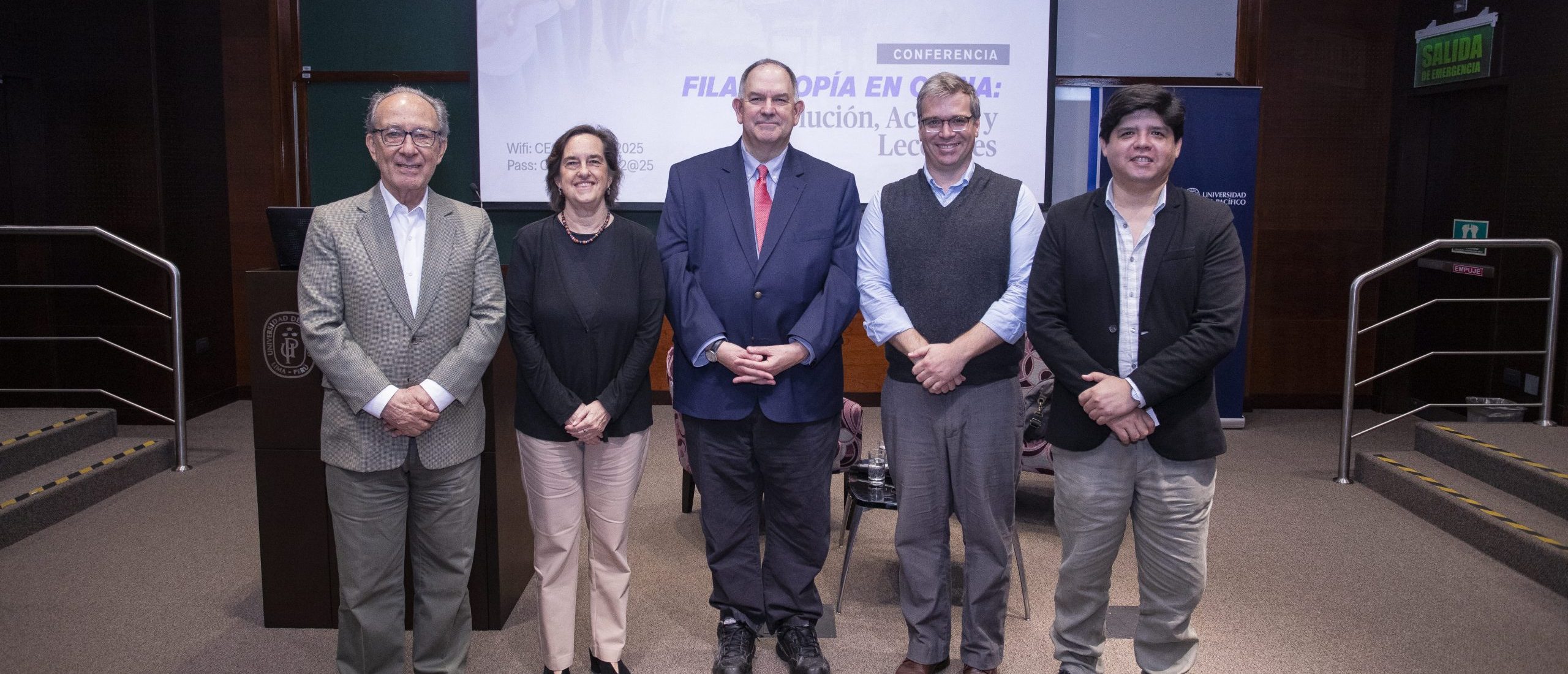
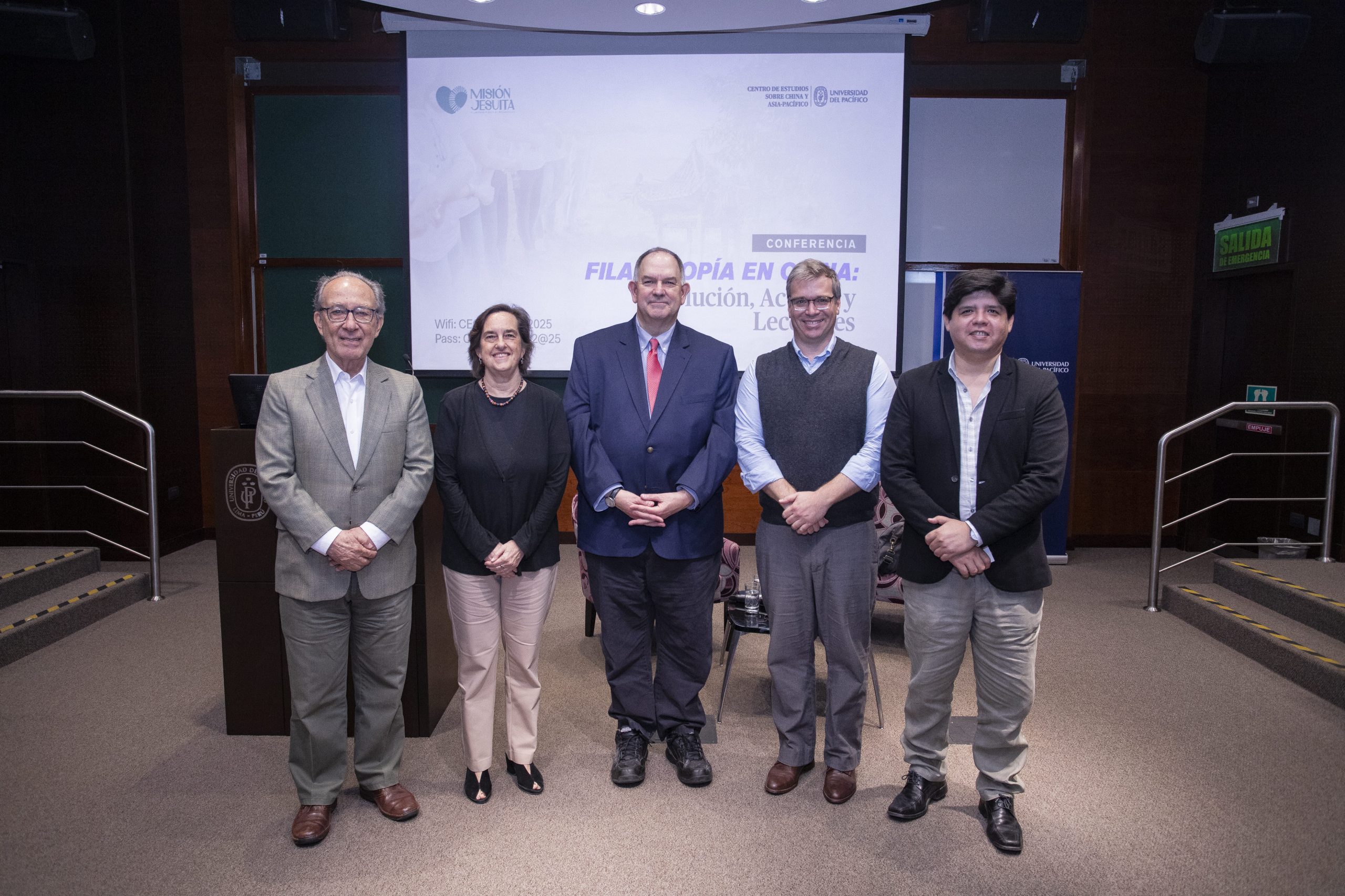
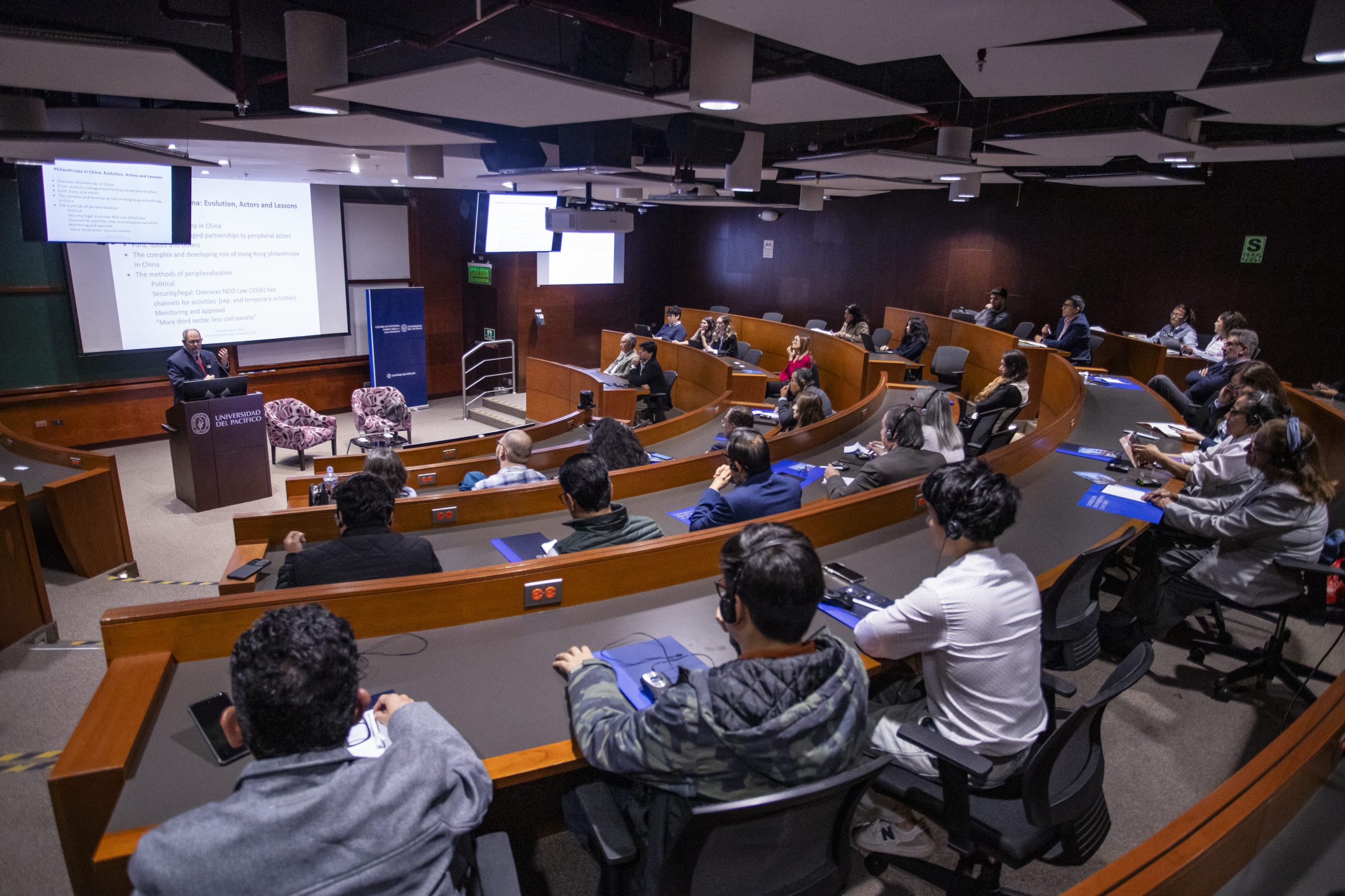
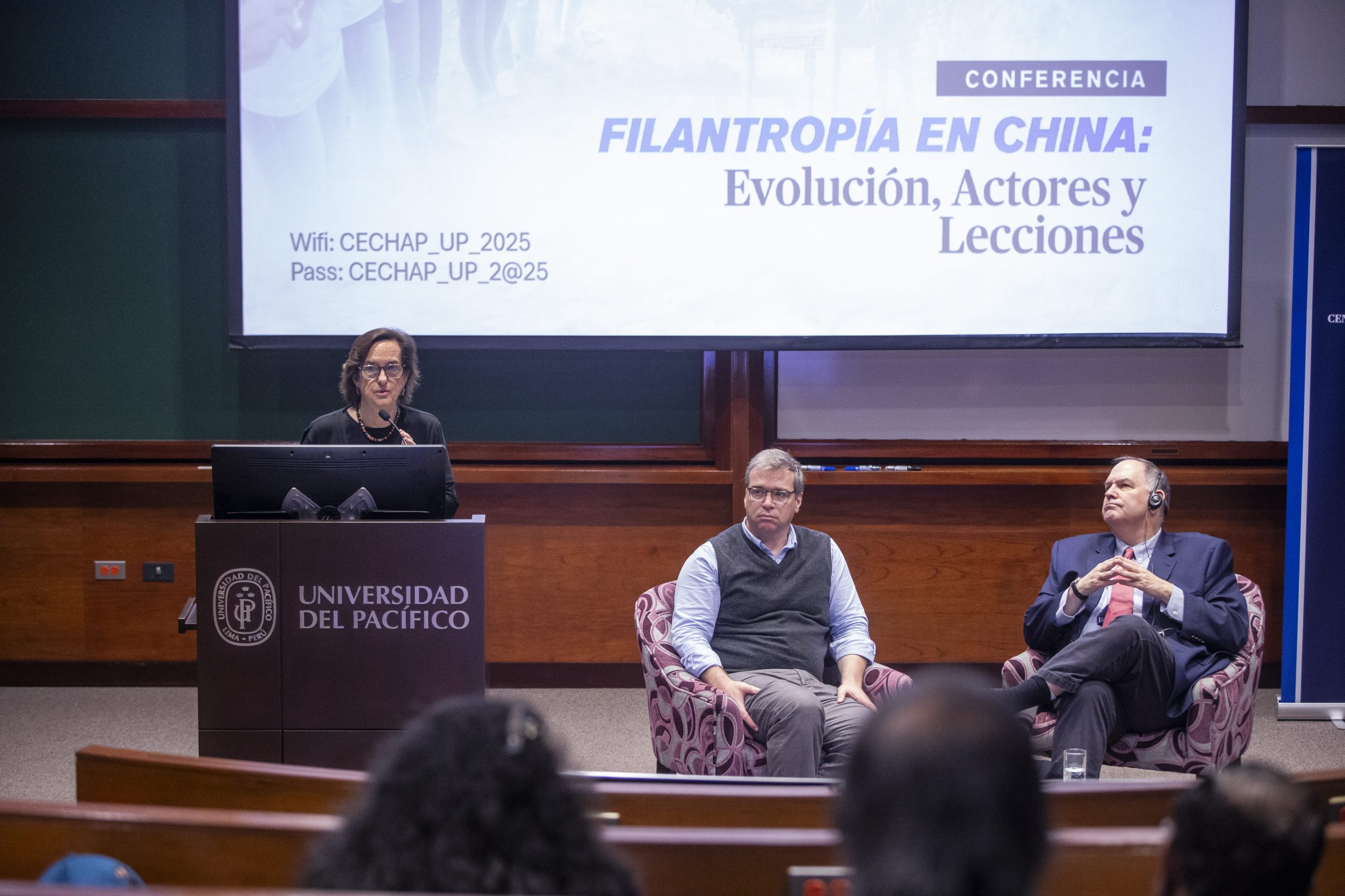
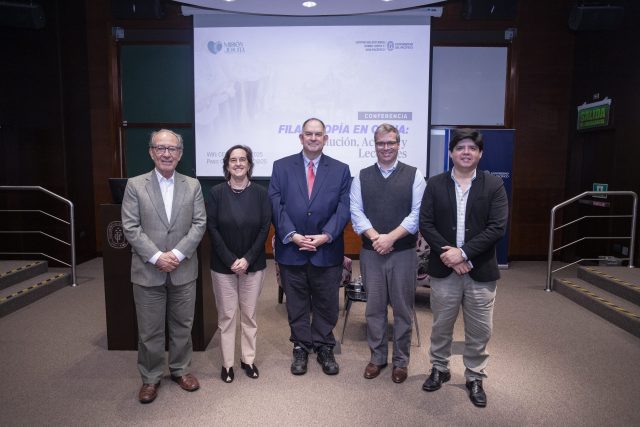
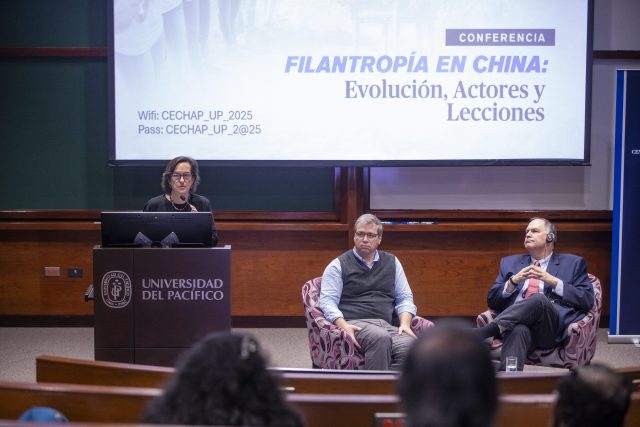
On Tuesday, December 2, 2025, the Center for China and Asia-Pacific Studies (CECHAP) at Universidad del Pacifico, together with the Jesuit Mission in Peru, held the international conference “Philanthropy in China: Evolution, Actors, and Lessons,” an event dedicated to examining the characteristics and ongoing transformation of Chinese philanthropy.
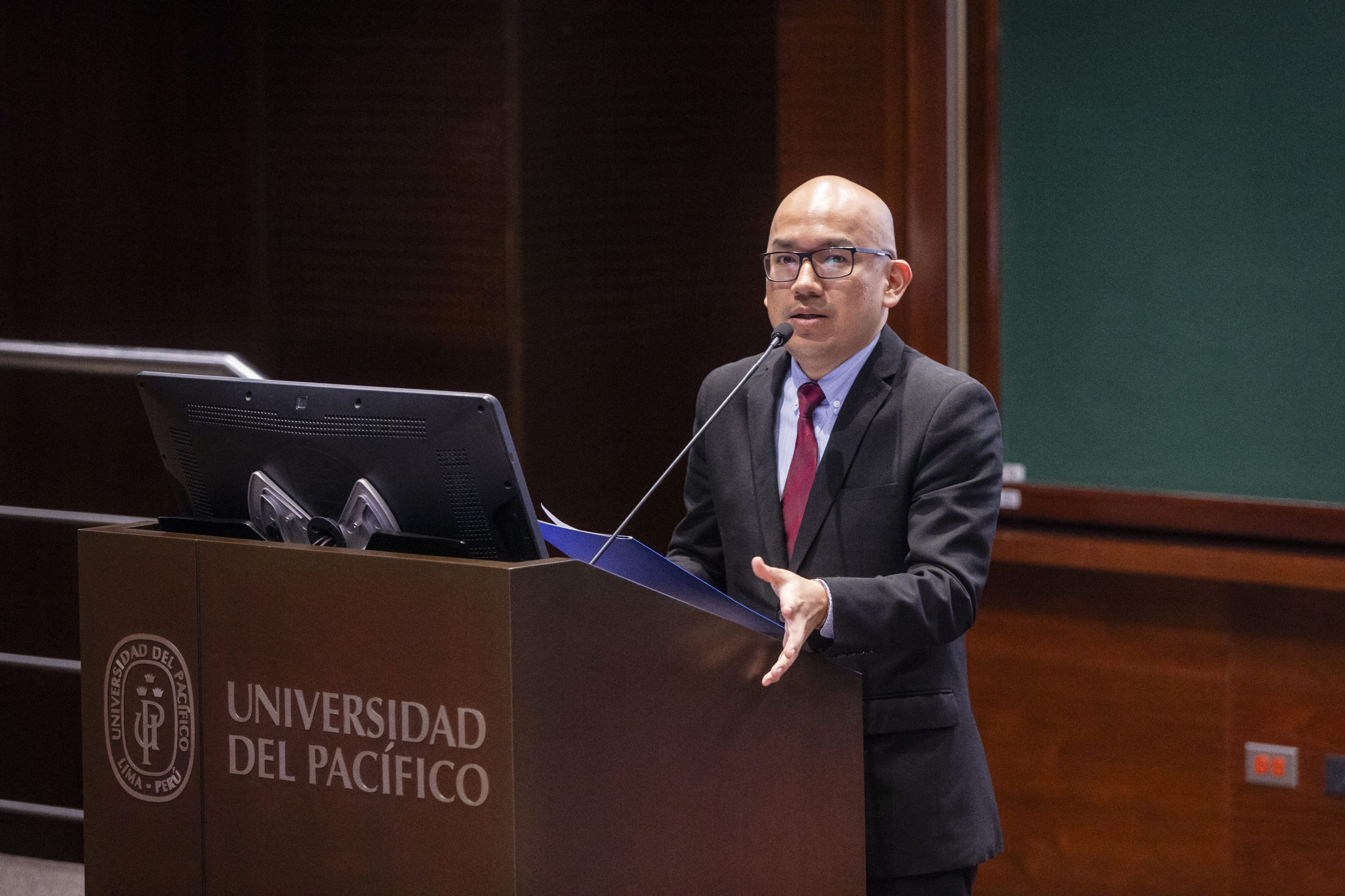
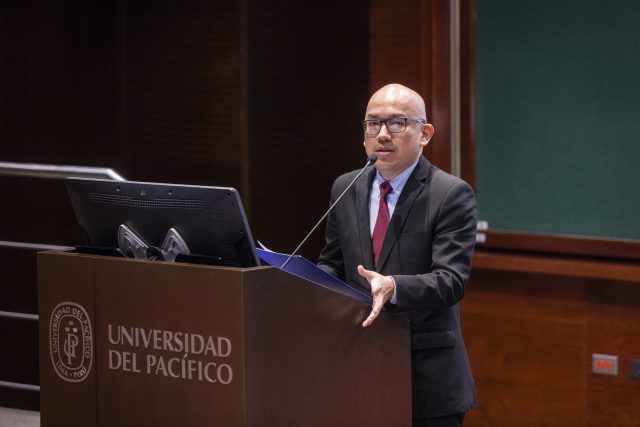
The session opened with welcoming remarks from Gustavo Yamada, Vice President for Research at Universidad del Pacifico, who underscored the relevance of this topic at a time when China is not only a central economic actor, but also an increasingly visible player in cooperation and social responsibility.
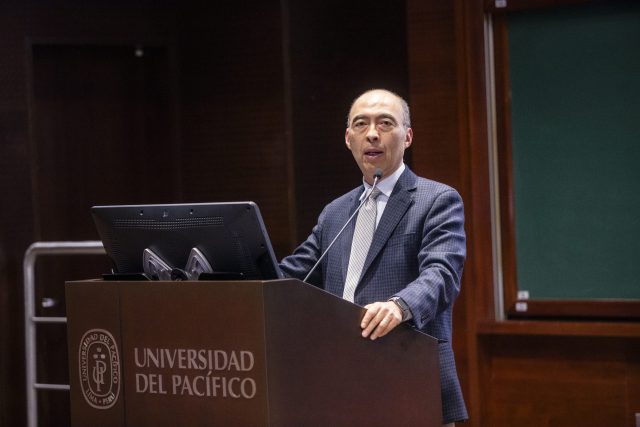
Gianfranco Dulanto, Executive Director of the Jesuit Mission in Peru, followed by noting that Chinese philanthropy has yet to be studied with the same depth as its European or U.S. counterparts. Therefore, gatherings of this kind offer an opportunity to identify parallels, contrasts, and potential pathways for collaboration with Peru and the region.
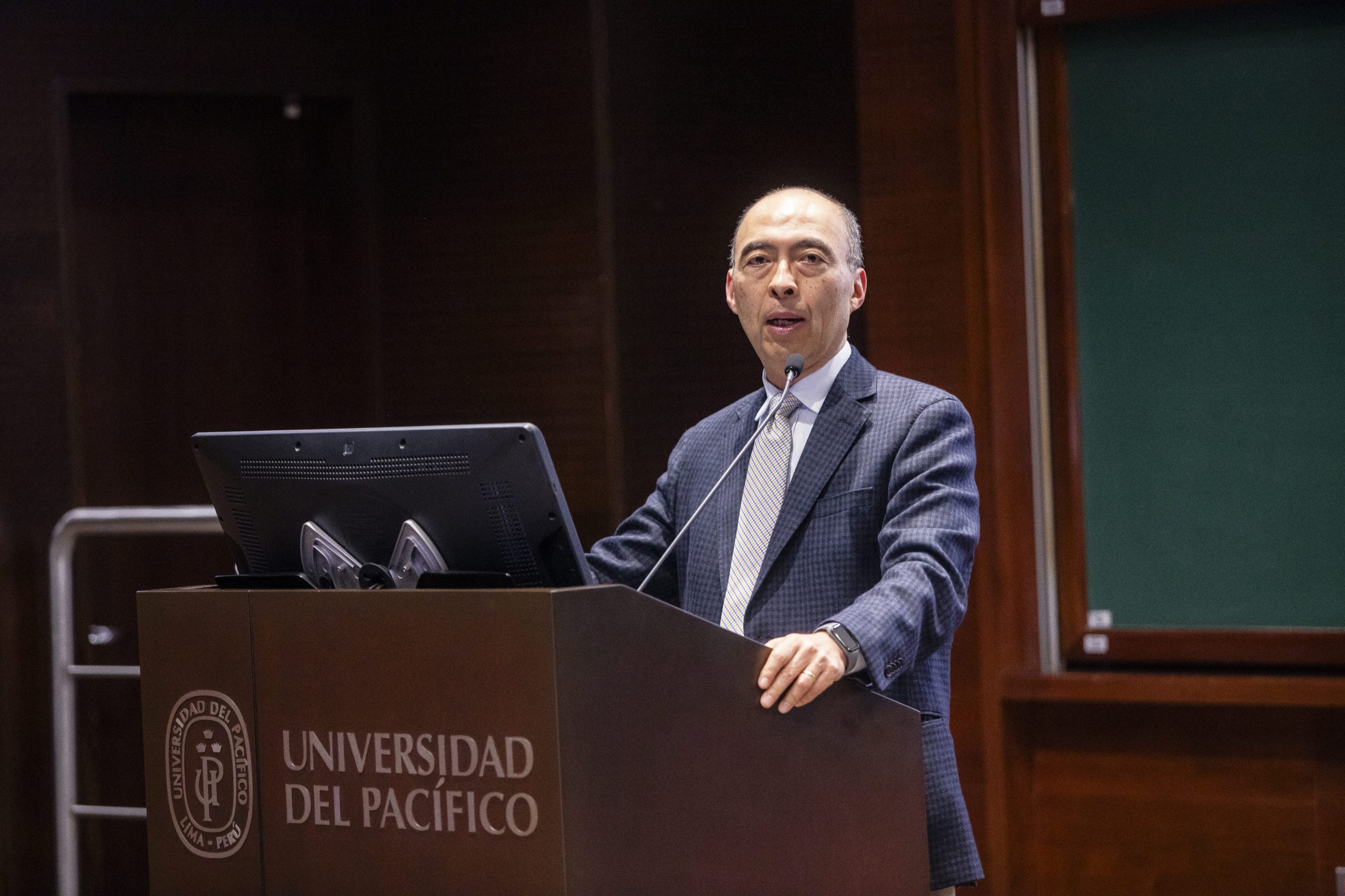
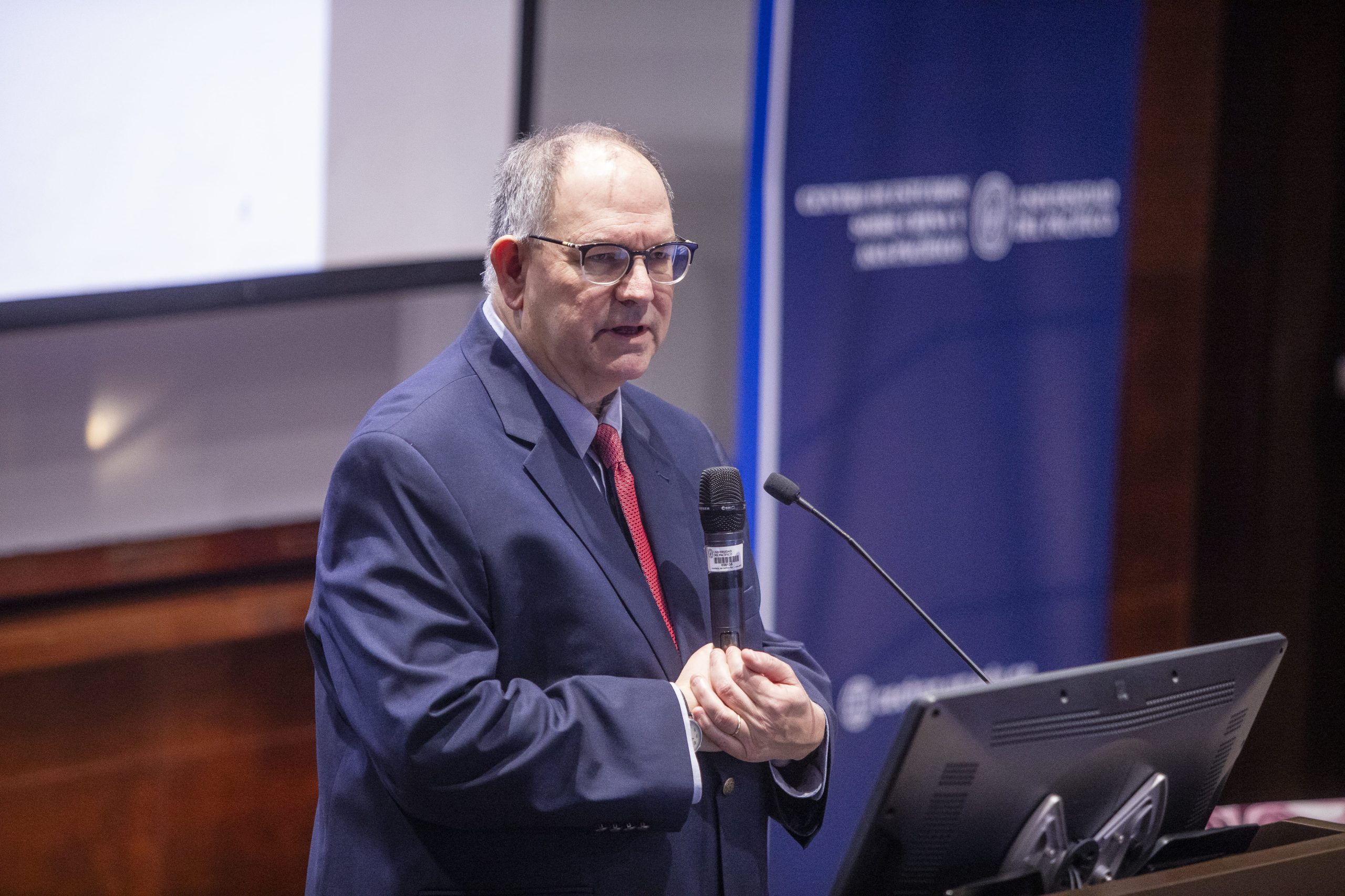
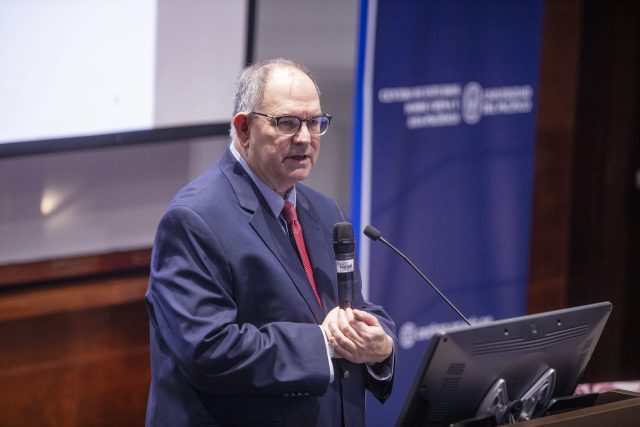
The keynote lecture was delivered by Mark Sidel, Doyle-Bascom Professor at the University of Wisconsin–Madison’s Law School and School of International Affairs, who presented a comprehensive analysis of China’s philanthropic ecosystem.
His presentation examined the relationship between civil society and the state, the rise of family and corporate philanthropy, the role of digital platforms in mobilizing donations, and China’s growing engagement in humanitarian initiatives beyond its borders. Sidel also explored internal tensions within the Chinese model, current debates on regulation and security, and the challenges that come with becoming a global actor in the social sphere.
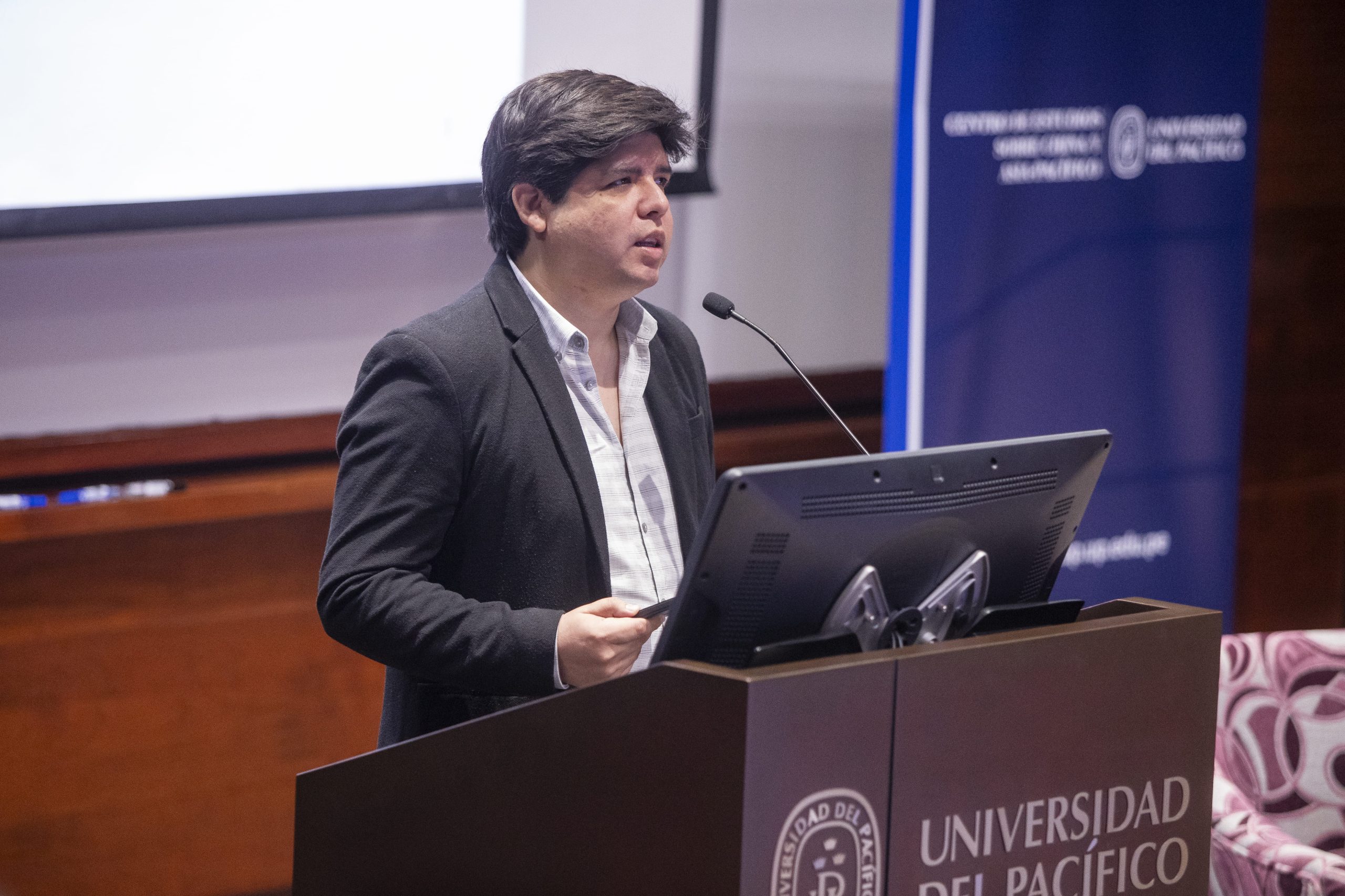
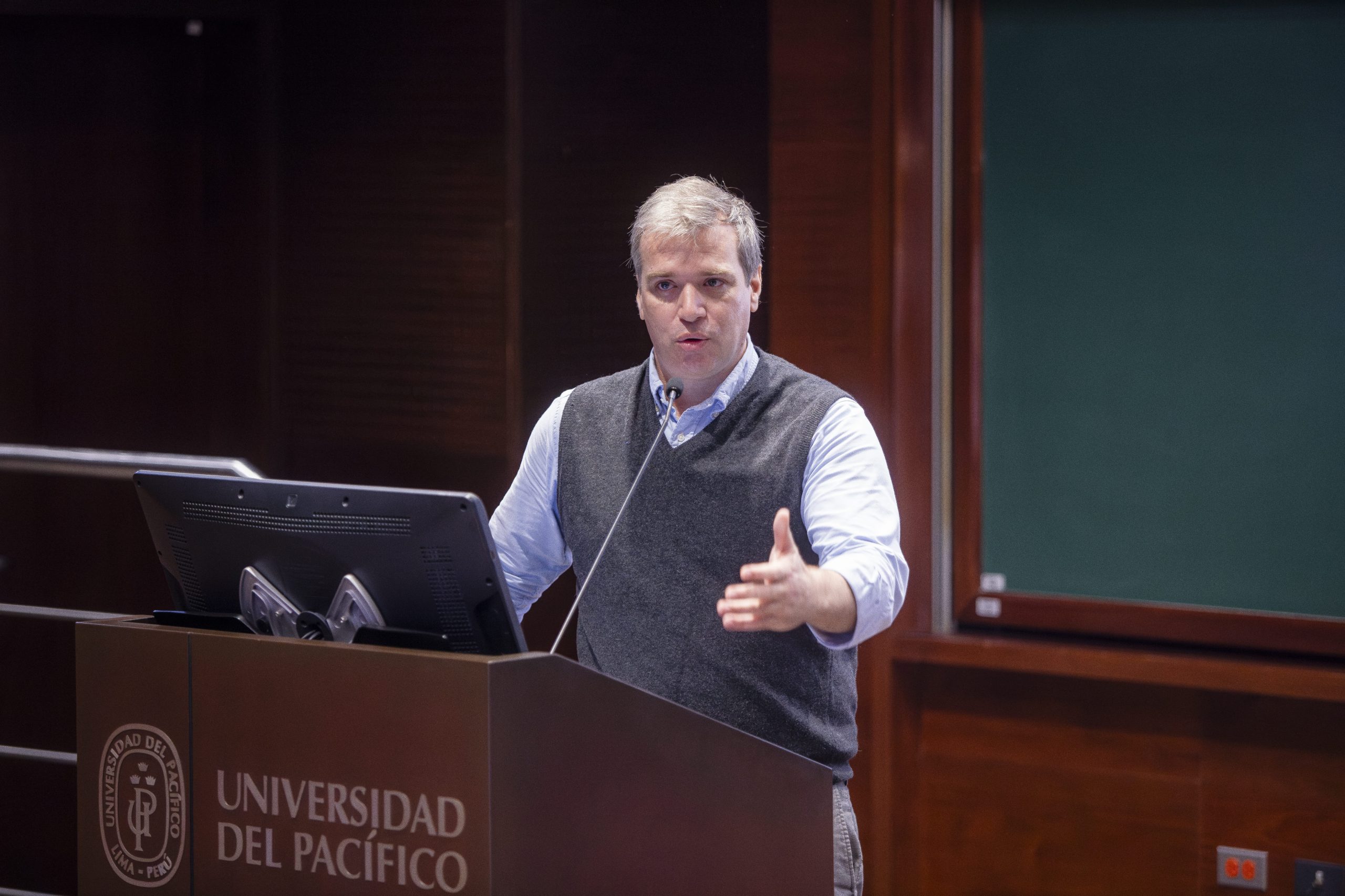
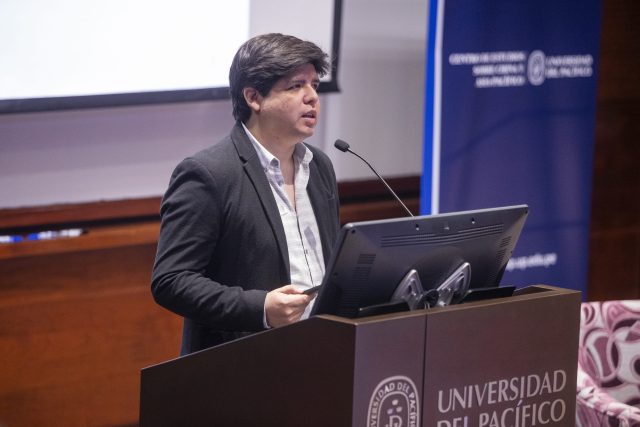
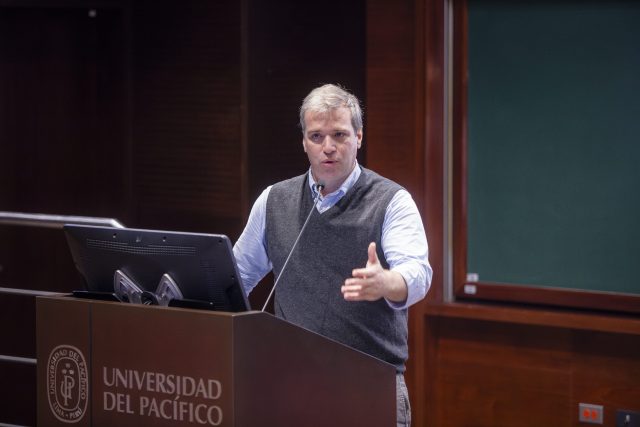
The commentary panel was led by Matthew Bird, Associate Professor at the Graduate School at Universidad del Pacifico. Bird reflected on the role of the state in regulating social initiatives, the risks of excessive or insufficient intervention, and the importance of fostering institutional frameworks that strengthen public trust without undermining civic autonomy.
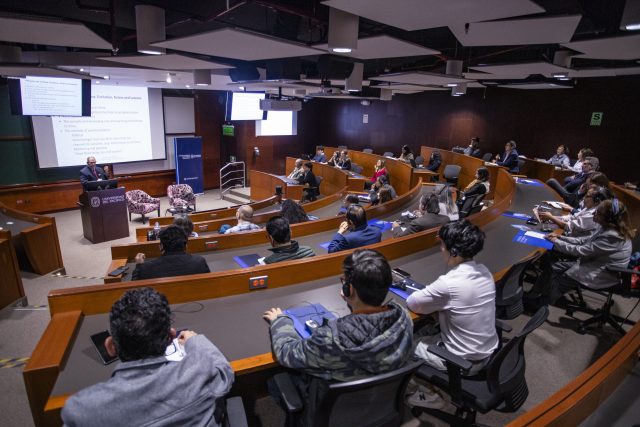
Following the commentaries, an open dialogue with the audience provided space to further explore the challenges and opportunities that the study of Chinese philanthropy presents for researchers, civil society organizations, decision-makers, and stakeholders engaged in international relations.
The event concluded with remarks from Dr. Cynthia Sanborn, Director of CECHAP, who highlighted how fields of research that may seem to follow distinct paths, philanthropy and contemporary China, come together in innovative ways in academic spaces such as this. She emphasized that the intersection of these areas opens new questions, agendas, and opportunities for understanding a global actor whose influence continues to expand.
The conference underscored the importance of expanding academic research on philanthropy in China and its global reach, particularly for Latin America. Both its strengths and its tensions offer valuable lessons for identifying potential areas of collaboration, exchange, and mutual learning. In doing so, CECHAP reaffirms its commitment to advancing the study of emerging and strategic topics for the region, promoting spaces for reflection and institutional engagement in partnership with organizations such as the Jesuit Mission.