CECHAP Participates in the FLAUC 7th Annual Meeting 2025
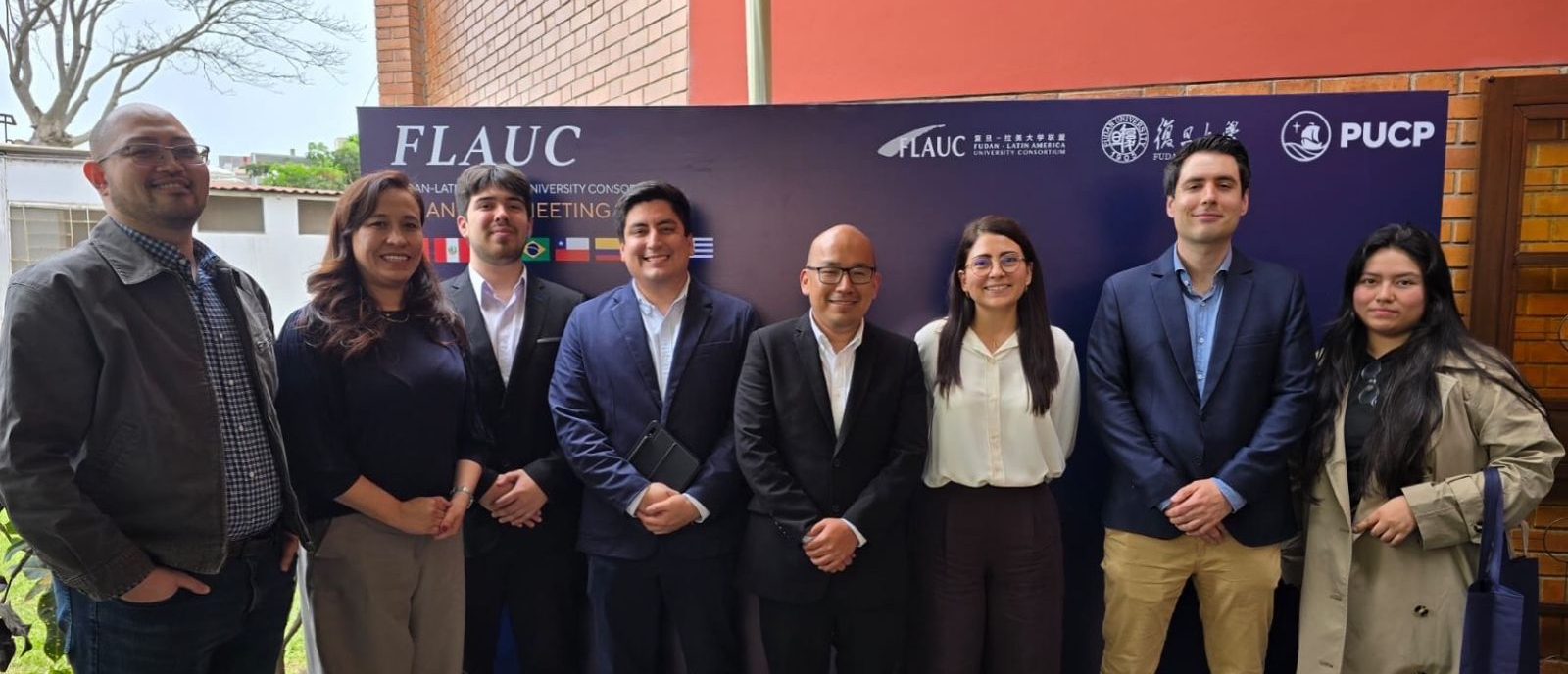
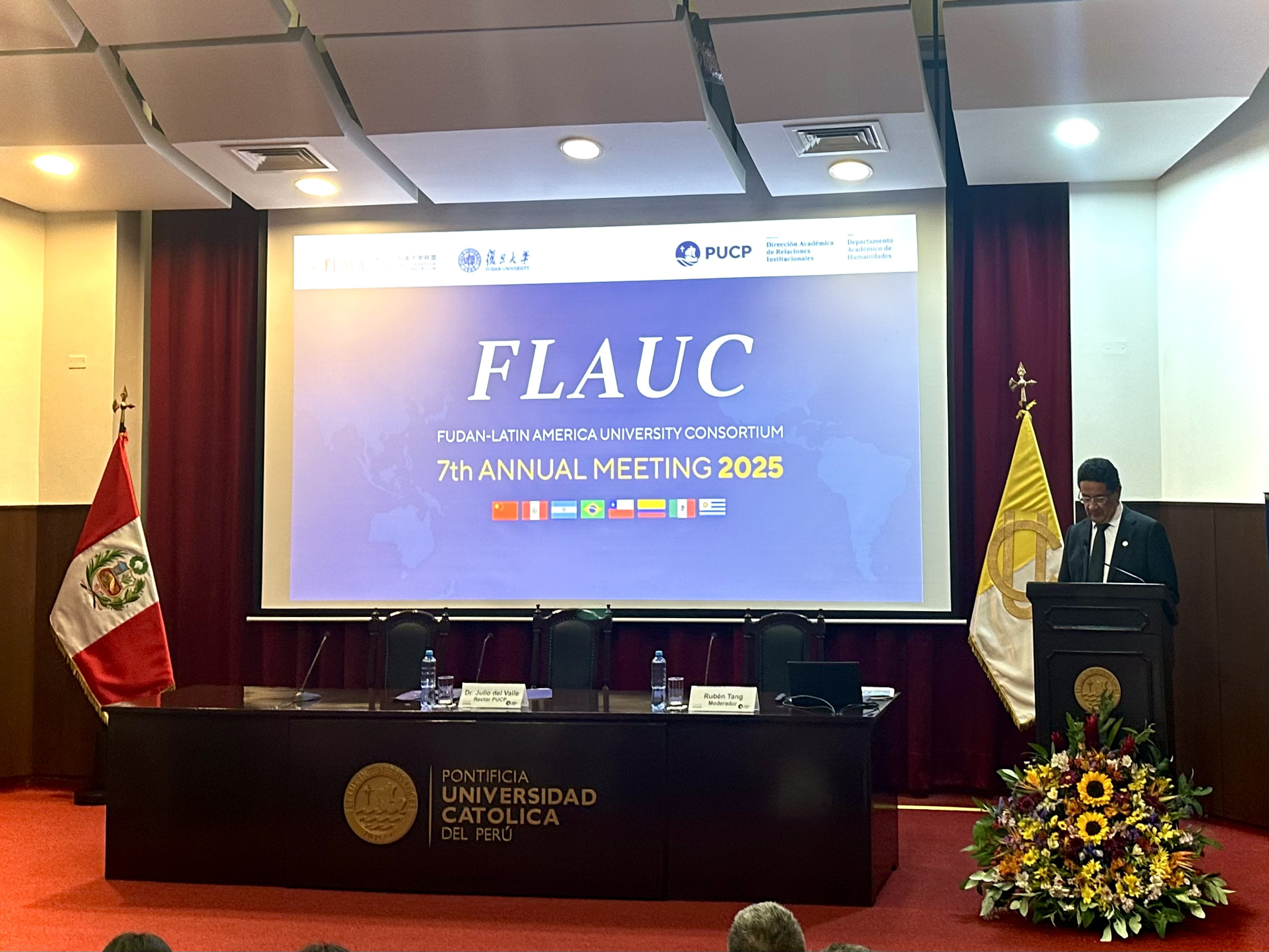
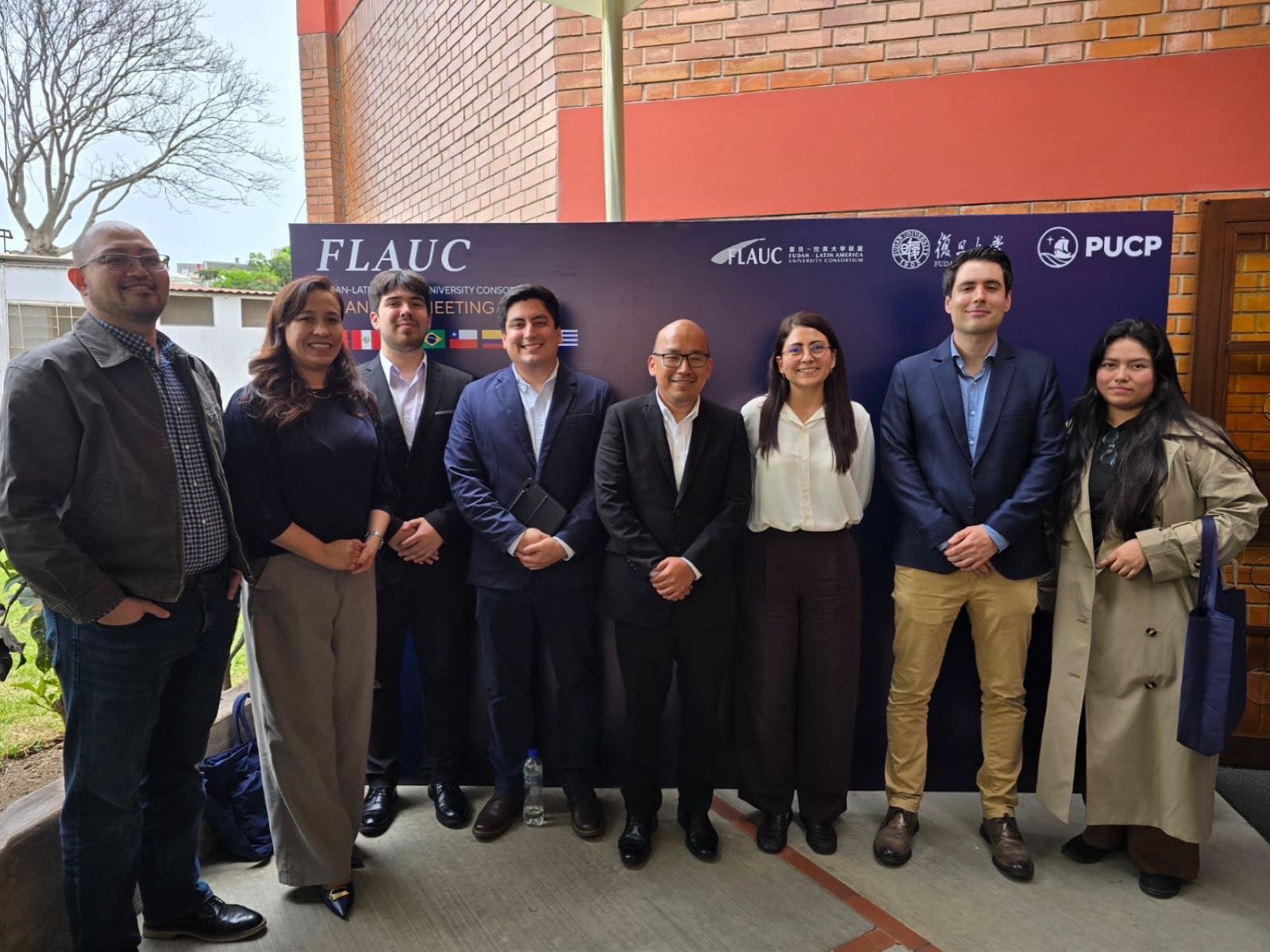
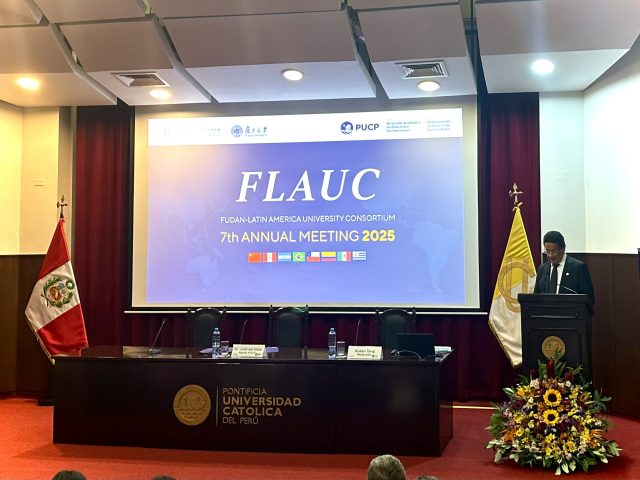
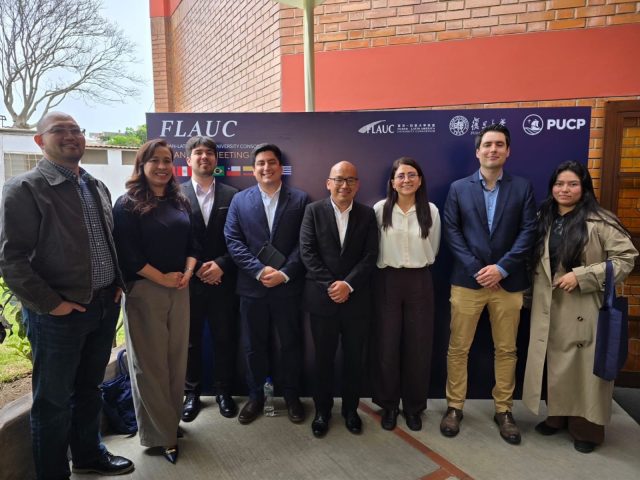
On December 4 and 5, 2025, the seventh edition of the FLAUC Fudan–Latin America University Consortium Annual Meeting was held at the Pontifical Catholic University of Peru (PUCP). This in-person academic gathering was devoted to reflecting on cooperation and development in a dynamic international context.
The opening ceremony took place in the Humanities Auditorium and was moderated by Rubén Tang, Head of the Office of Relations with Asia at the Office of Institutional Relations. Opening remarks were delivered by Dr. Julio del Valle, President of PUCP, followed by an institutional greeting from Dr. Chen Zhimin, Vice President of Fudan University, conveyed via video message. The ceremony concluded with a cultural presentation by the PUCP Confucius Institute, featuring a live performance of a traditional Chinese instrument by one of its faculty members.
The program continued with two keynote lectures. The first was delivered by Wang Hao, Professor at Fudan University’s Center for Americas Studies, titled “A Reordering World: US–China Dynamics in Latin America under Trump 2.0 and New Pathways for China–Latin America Cooperation.” The second keynote was presented by Sebastien Adins, Professor at PUCP, who spoke on “China’s Evolving Stance towards Global Multilateral Governance and Its Importance for LAC.”
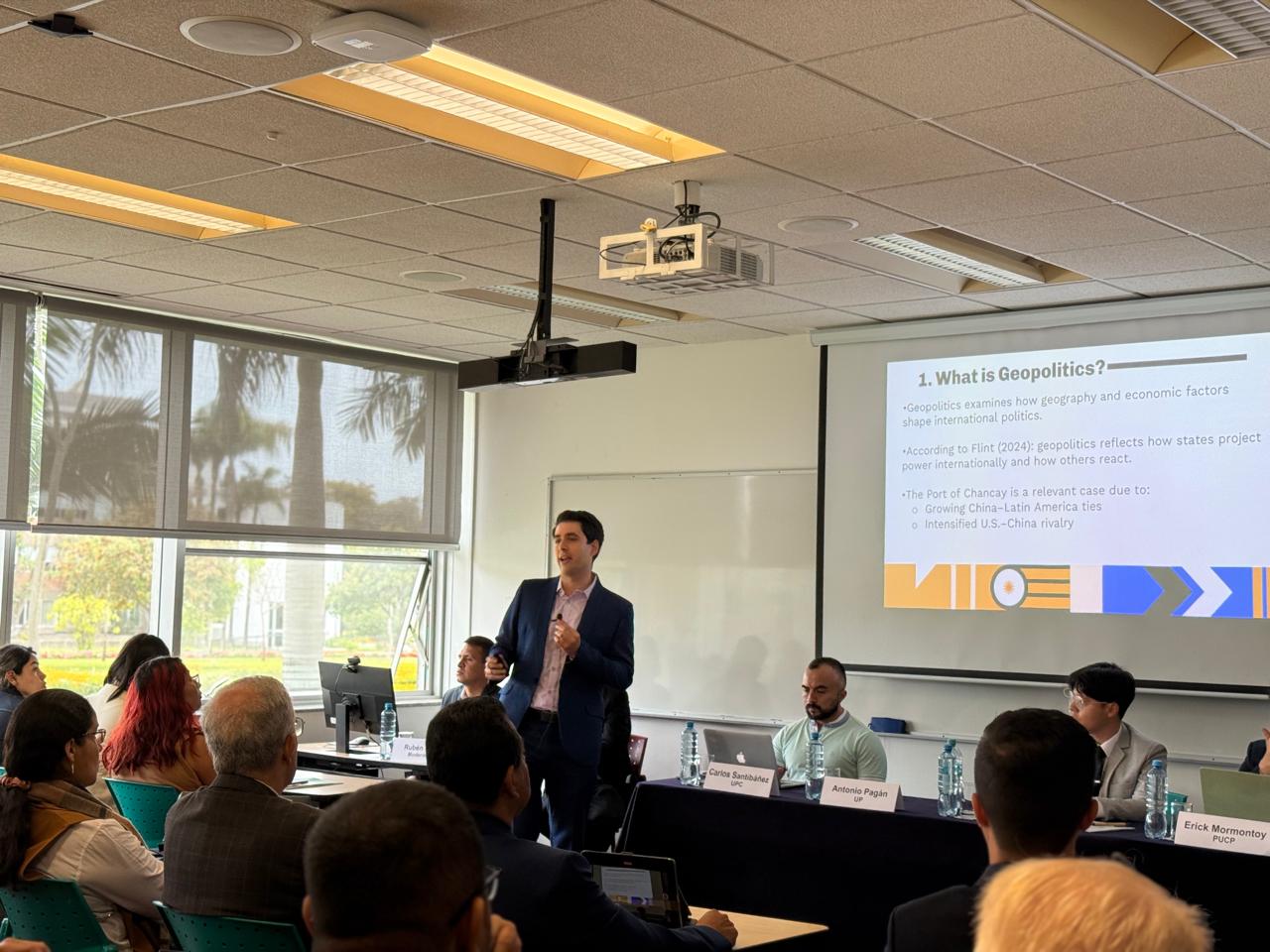
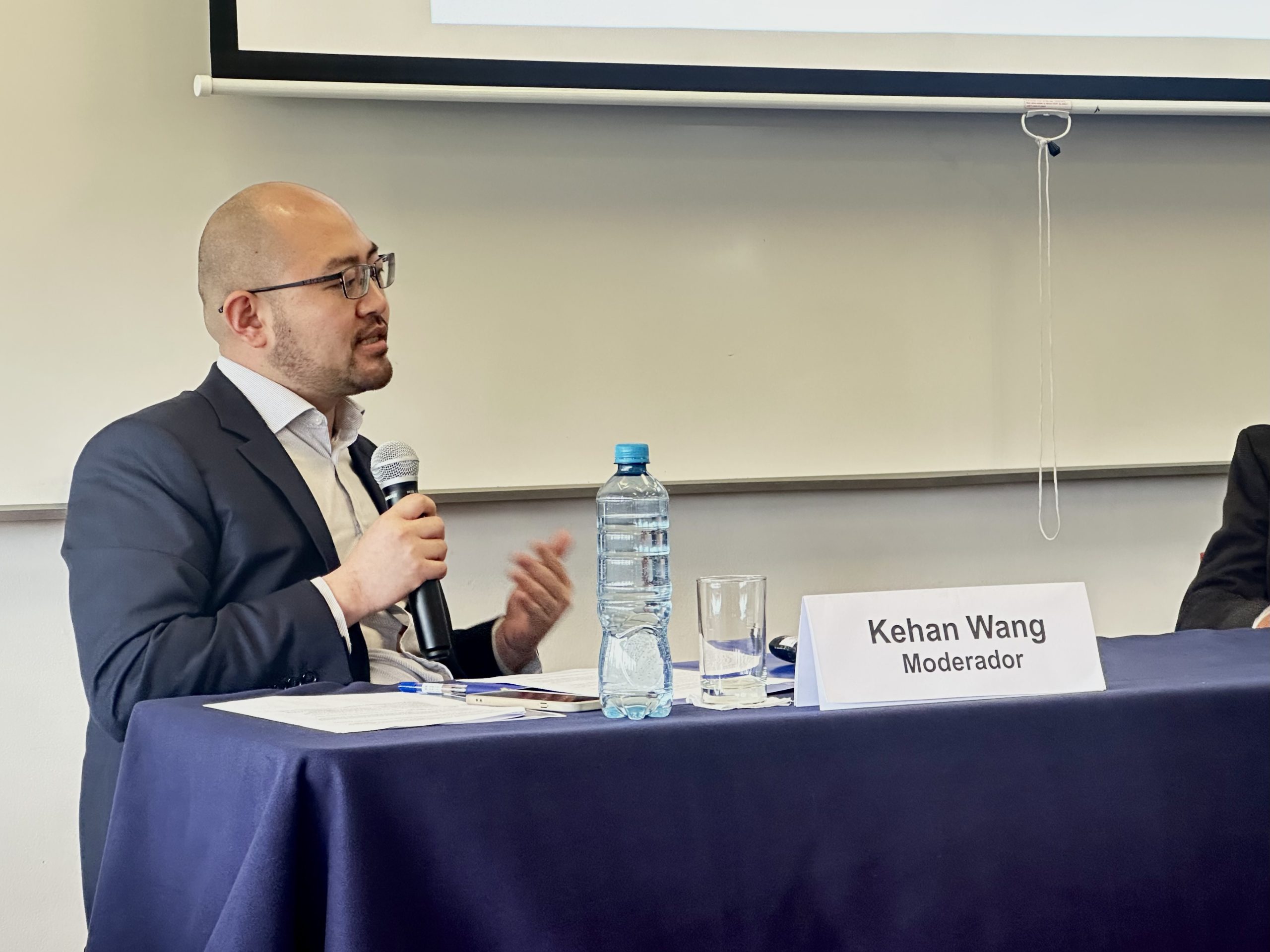
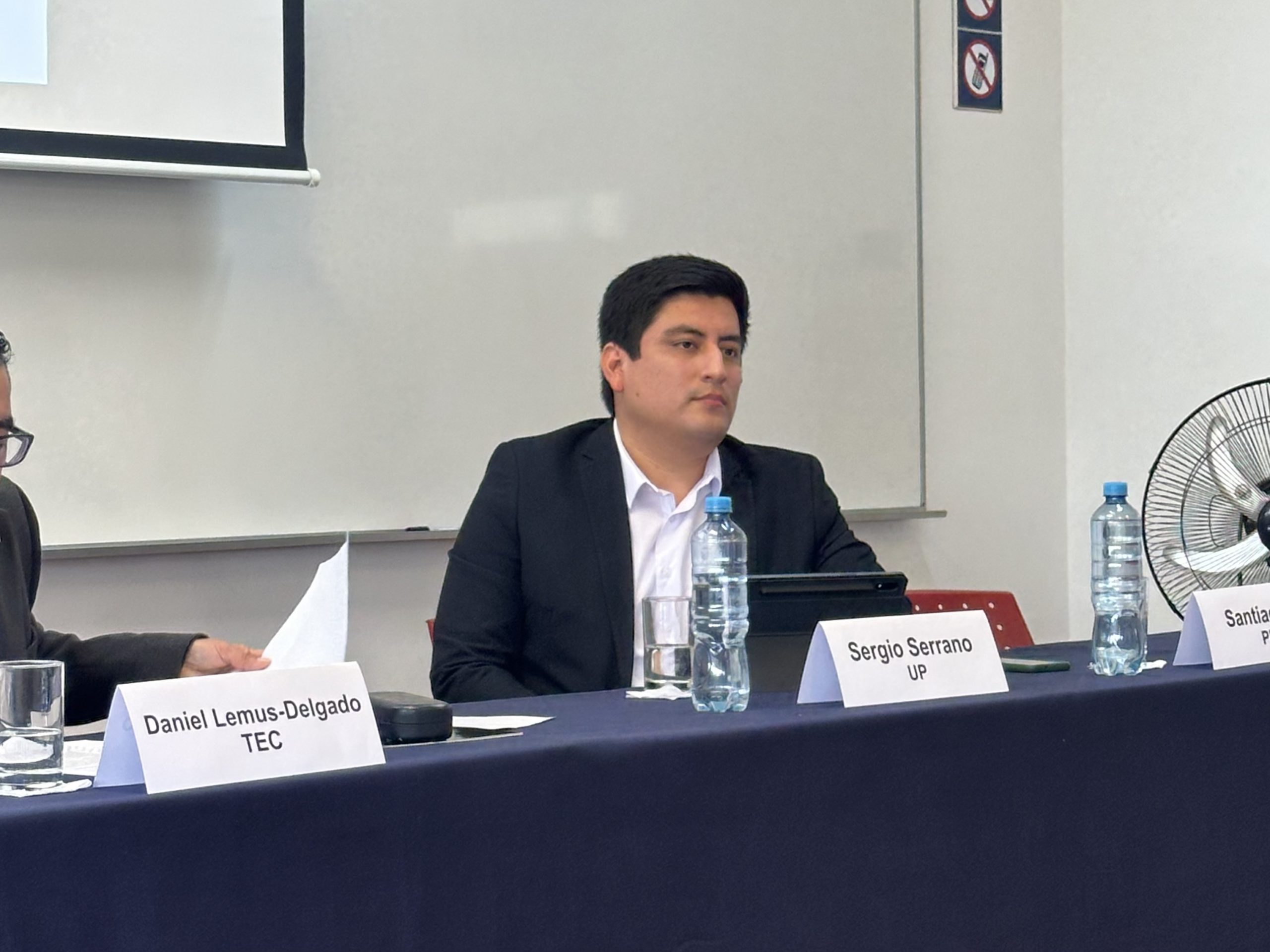
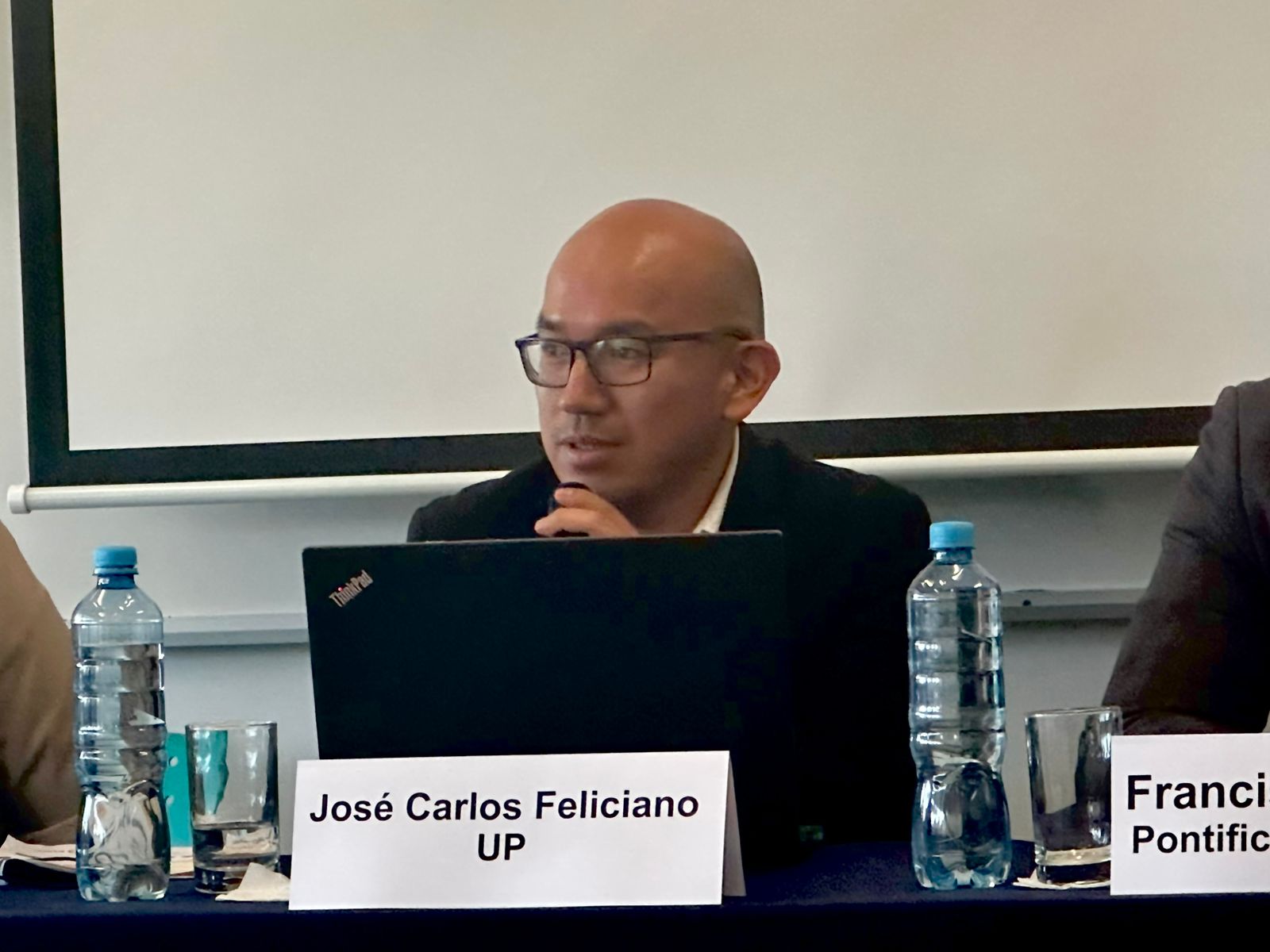
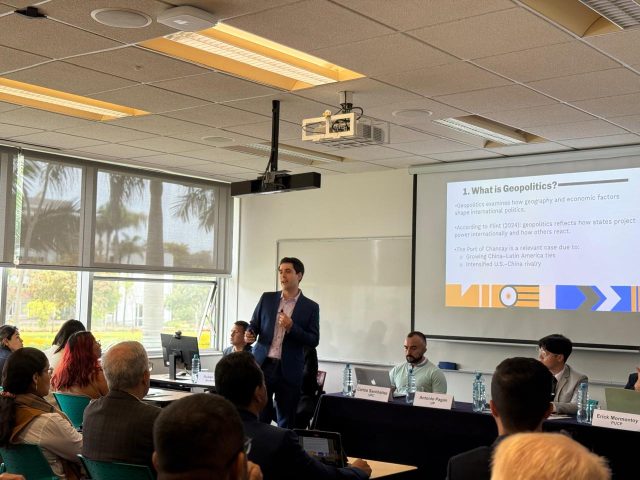
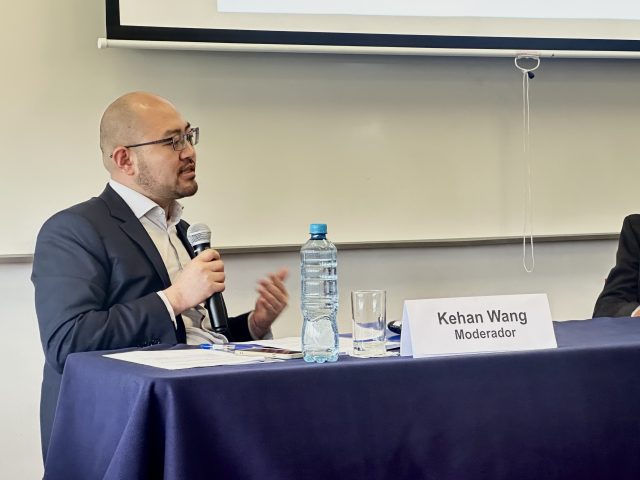
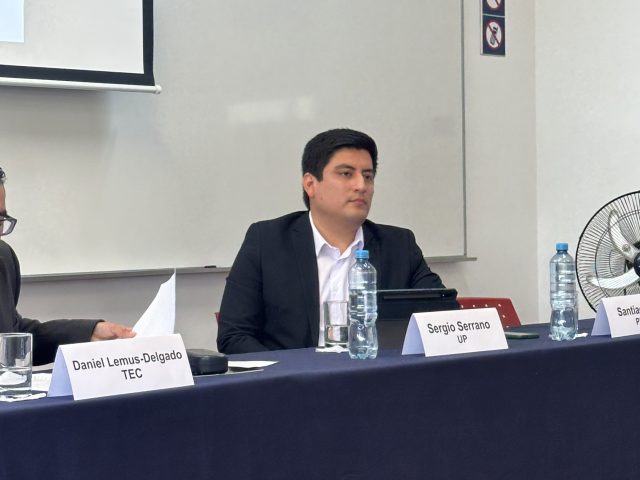
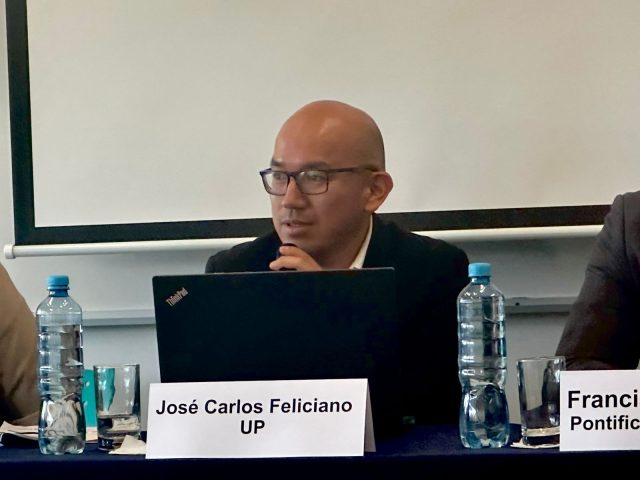
The meeting then moved on to parallel panels that marked the beginning of specialized discussions. In the first panel, “Strategic Infrastructure and the Port of Chancay,” Antonio Pagán, Professor at Universidad del Pacifico and CECHAP-affiliated researcher, presented “Geopolitical Perspectives on the Port of Chancay.” In the panel “China, Latin America and the Green Transition: Mining, Energy, and Environmental Challenges,” CECHAP-affiliated researcher Kehan Wang served as moderator and panelist, presenting “From Minerals to Megawatts: Understanding Chinese Involvement in Latin America’s Renewable Energy Value Chain.” Sergio Serrano, CECHAP research assistant, presented “Transition or Trap? CNPC’s Peru Trajectory from Coastal Oil to Amazonian Gas.” In addition, CECHAP Deputy Director José Carlos Feliciano moderated the fourth panel, which focused on science, technology, and innovation in the digital era.
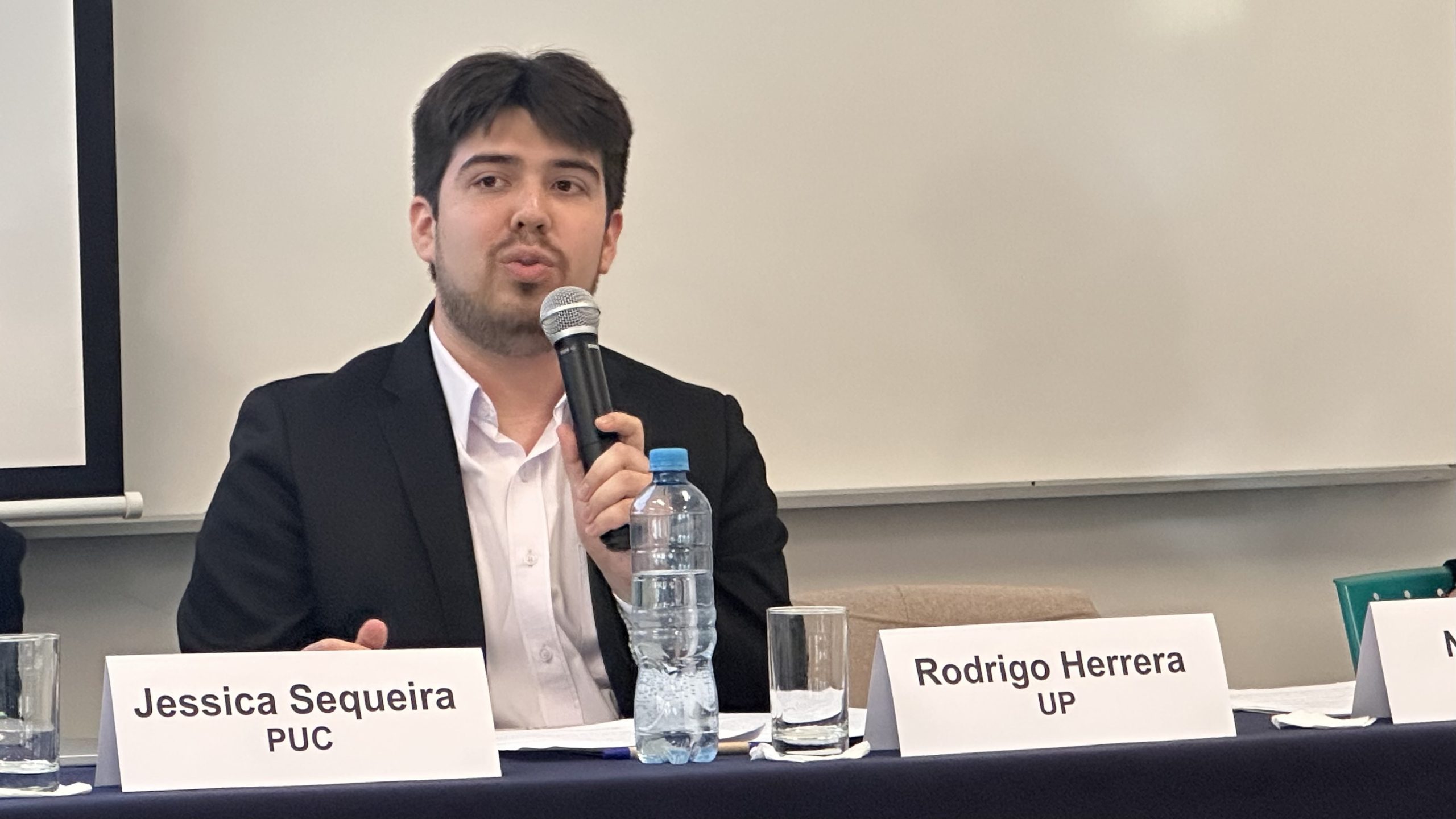
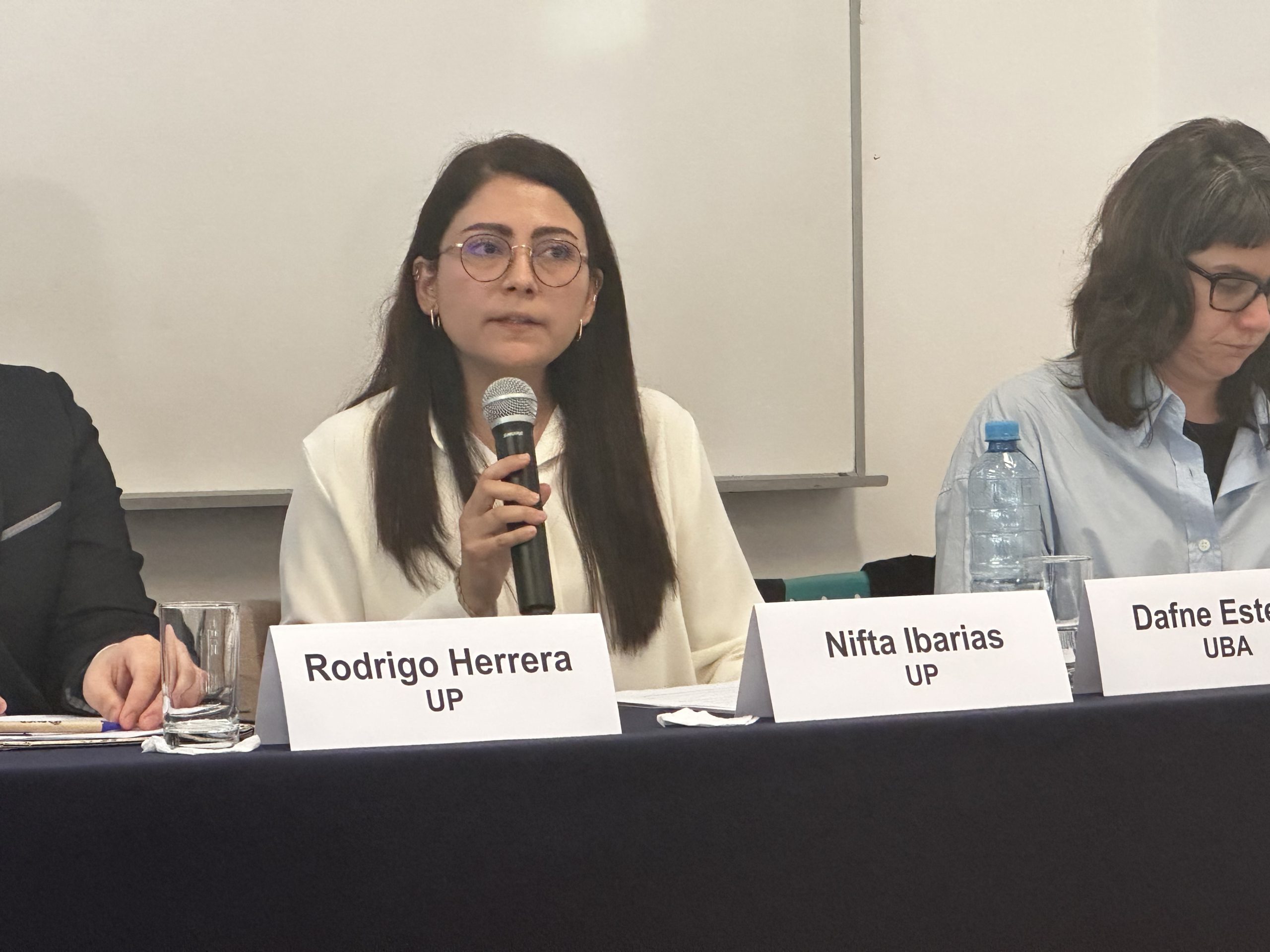
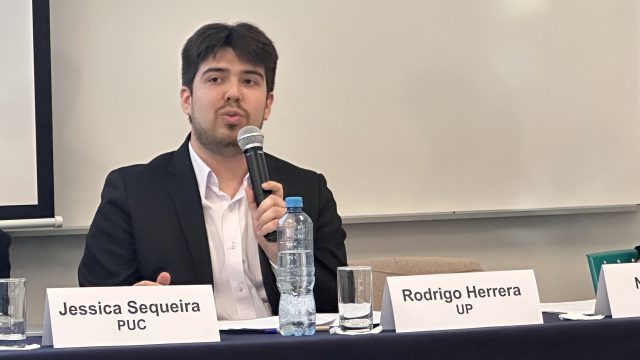
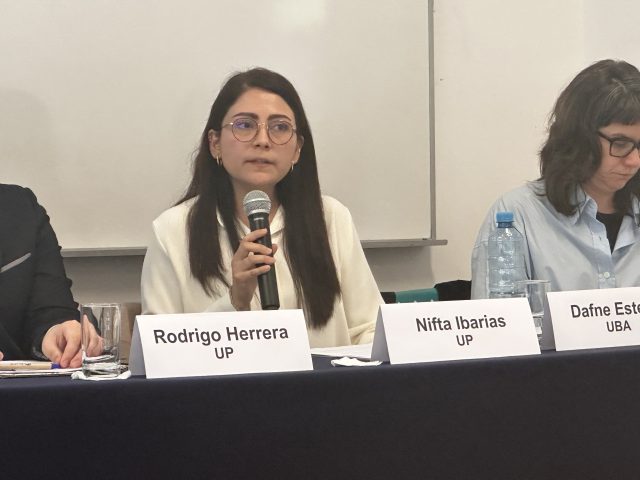
The second day featured five additional panels. In Panel 8, “China and Latin America beyond Soft Power: Culture, Society, and Global Influence,” CECHAP-affiliated researcher Nifta Lau and Rodrigo Herrera, Academic and Administrative Coordinator of the Center, participated as panelists. Herrera presented “From Regulation to Global Reach: Understanding the Chinese Video Game Industry and Its Soft Power Potential,” while Nifta Lau, together with Dafne Esteso from the University of Buenos Aires, delivered “China’s Bet on Soft Power: Managing Local Perception and Controversies amid Increasing Engagement in Infrastructure in Latin America.” In Panel 9, dedicated to research initiatives and academic cooperation between Latin America and Asia, Deputy Director José Carlos Feliciano presented an overview of CECHAP’s institutional trajectory, key contributions, networks, and lines of research.
The meeting concluded with a closing ceremony moderated by Rubén Tang, who enthusiastically announced the upcoming FLAUC venues and introduced Brazil as the host country for the 2026 edition. Representing the University of São Paulo, Wilson Amorim addressed the audience on behalf of the institution that will host next year’s meeting.
The 2025 edition of FLAUC reaffirmed the commitment of participating institutions to strengthening academic exchange and interregional cooperation. In particular, it highlighted CECHAP’s role as a well-established actor in knowledge production, specialized dialogue, and network-building, contributing to a deeper understanding of the complex relations between China, Latin America, and the evolving contemporary international order.