José Carlos Feliciano, Associate Director of CECHAP, Participates in APEC Policy Dialogue on Open Innovation in Guangzhou, China
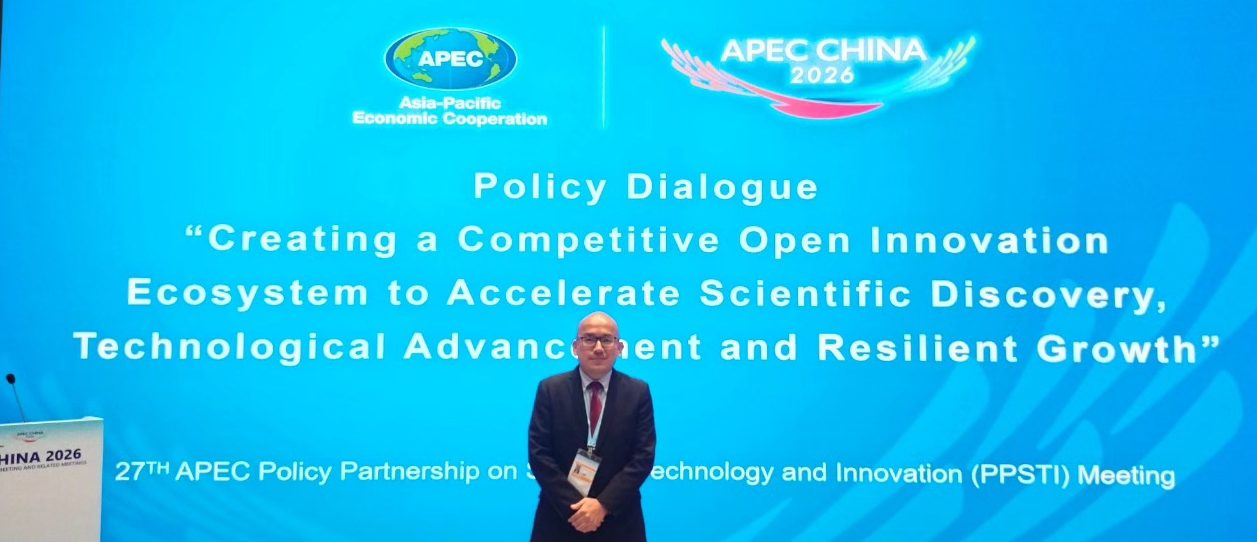
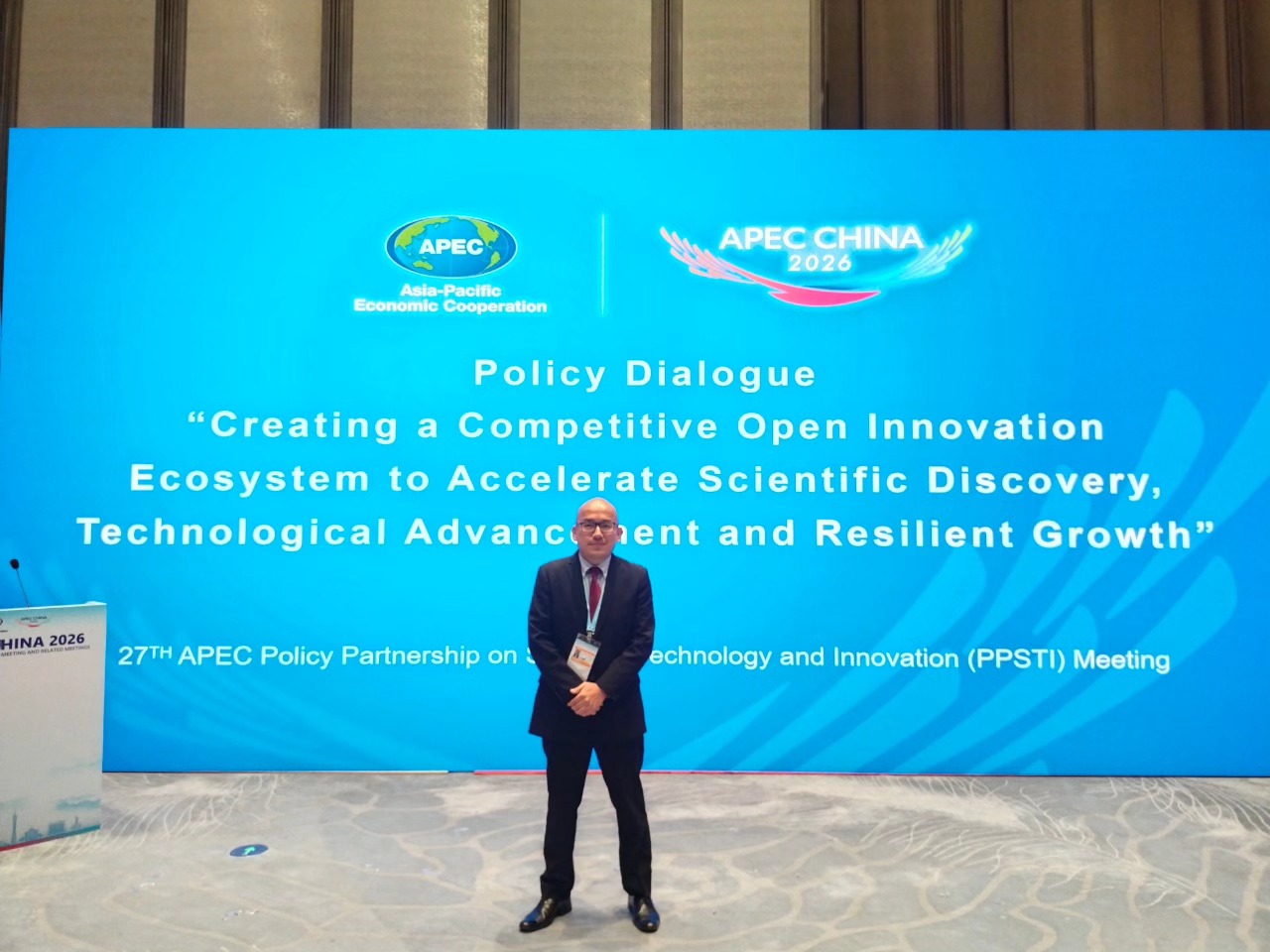
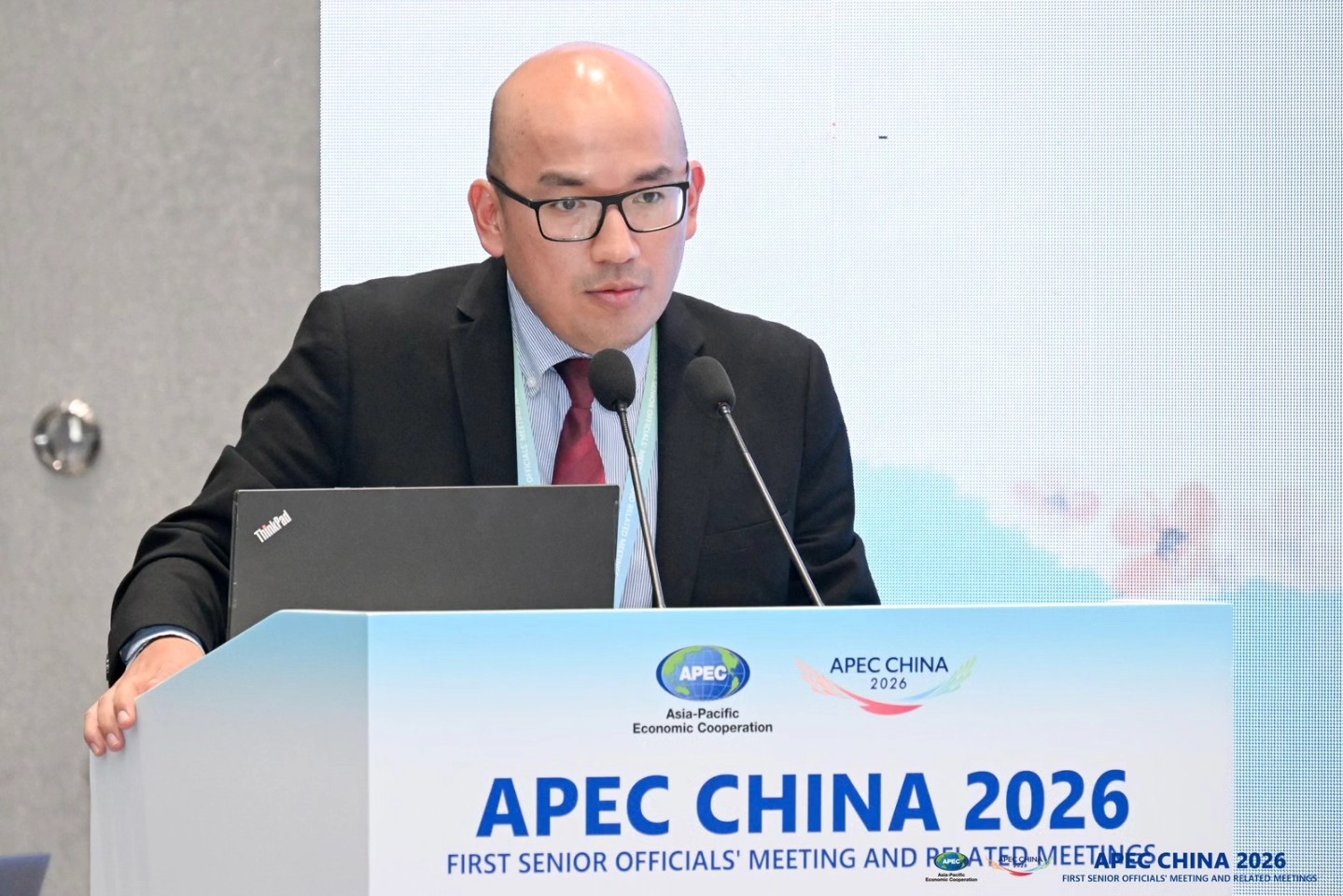
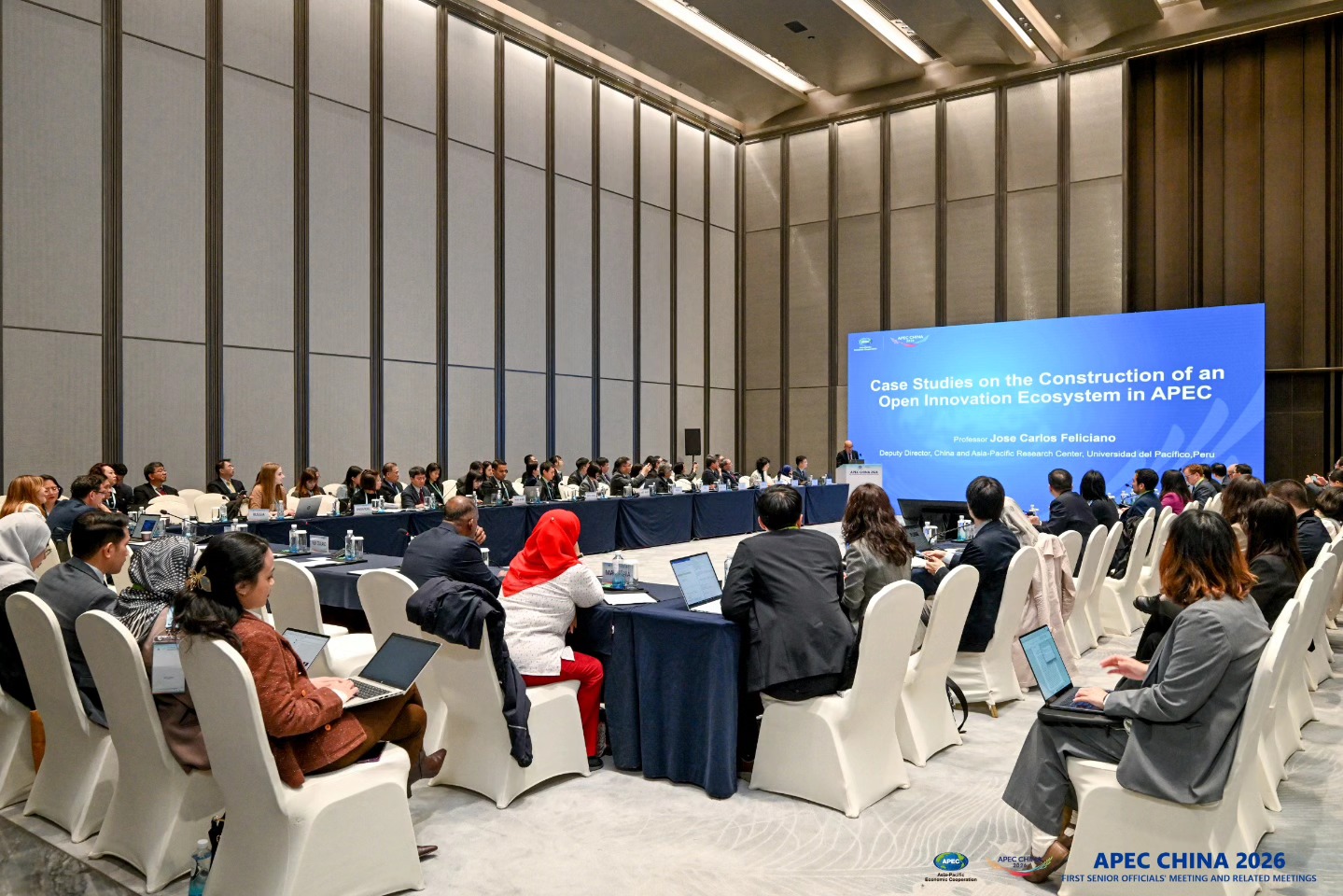
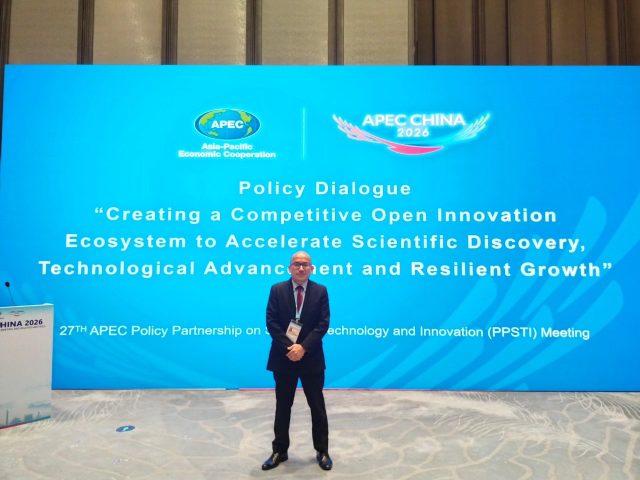
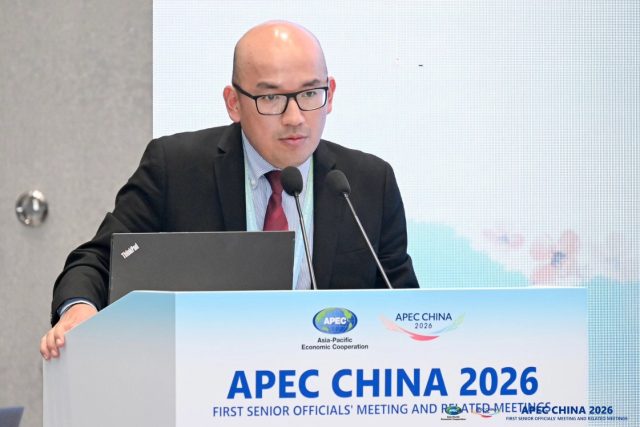
On February 2, 2026, José Carlos Feliciano Nishikawa, Associate Director of the Center for China and Asia-Pacific Studies (CECHAP), participated in the policy dialogue entitled “Creating a Competitive Open Innovation Ecosystem to Accelerate Scientific Discovery, Technological Advance and Resilient Growth”, held as part of the 27th Meeting of the APEC Policy Partnership on Science, Technology and Innovation (PPSTI) in Guangzhou, Guangdong Province, China.
The event was organized by the Department of International Cooperation of the Ministry of Science and Technology of China and was aligned with the APEC Putrajaya Vision 2040 and the PPSTI Strategic Plan 2026–2035, which promote the development of open, competitive, and resilient innovation ecosystems in the Asia-Pacific region. The dialogue was also aligned with the priorities of the APEC “China Year,” which focus on openness, innovation, and cooperation.
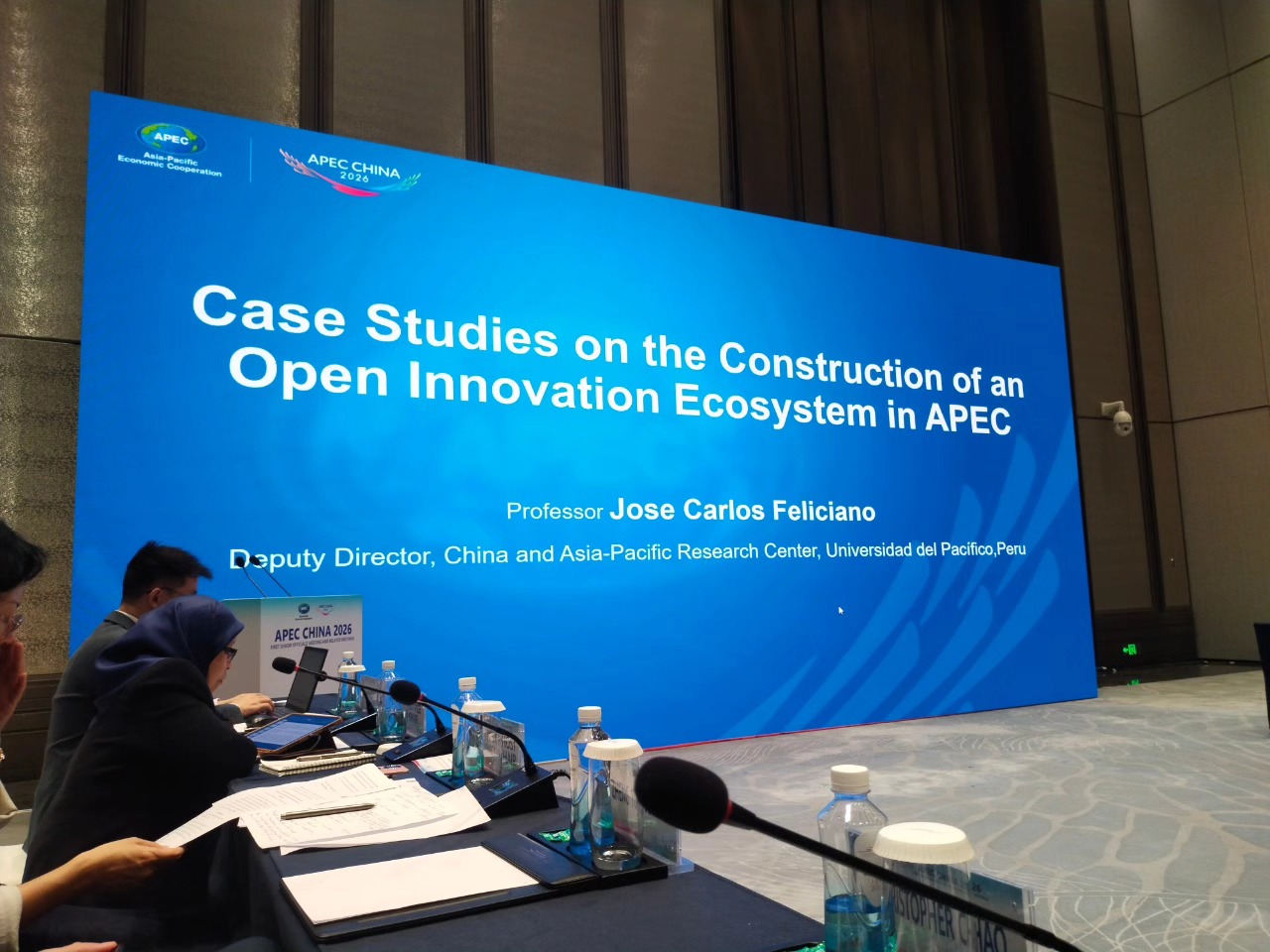
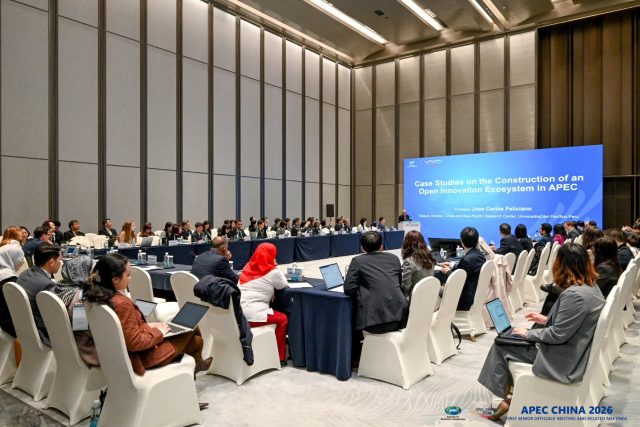
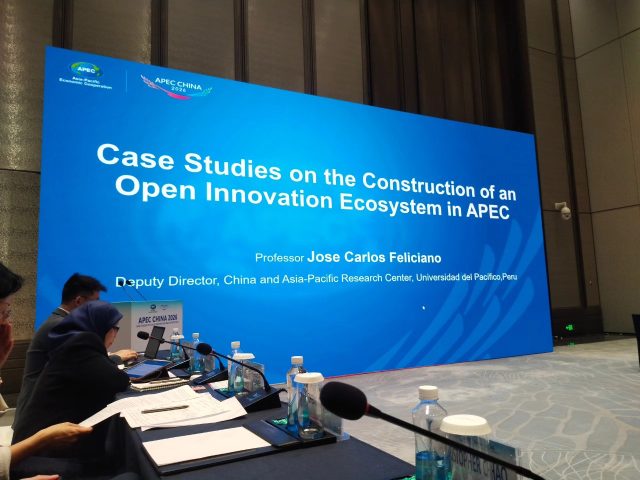
During his intervention, José Carlos Feliciano delivered a presentation entitled “Case Studies on the Construction of an Open Innovation Ecosystem in APEC,” in which he addressed the concept of open innovation ecosystems from a multisectoral perspective, highlighting the interaction among government, the private sector, academia, and civil society. His presentation included an analysis of case studies from APEC economies such as Australia, Singapore, Peru, and China, illustrating different approaches to fostering open innovation through cross-border knowledge flows, the use of digital platforms, data portability, sustainability challenges, and international cooperation in science and technology.
In particular, initiatives such as Australia’s Consumer Data Right, Singapore’s Sustainability Open Innovation Challenge, Peru’s Science and Technology Project Catalogue, and China’s WeChat Mini Programs ecosystem were highlighted, underscoring both their impacts and the common challenges faced by APEC economies, including regulatory fragmentation, the digital divide, and the need to strengthen institutional capacities.
The participation of CECHAP’s Associate Director contributed to the exchange of experiences and best practices among member economies, reinforcing the importance of international collaboration and the design of inclusive frameworks to harness the potential of open innovation for the sustainable development of the Asia-Pacific region.