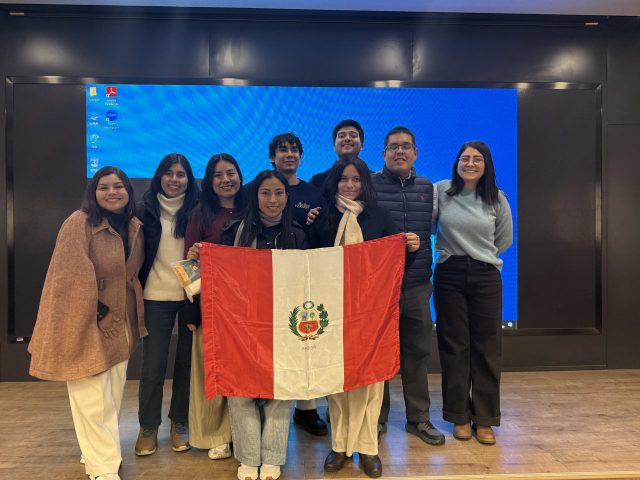
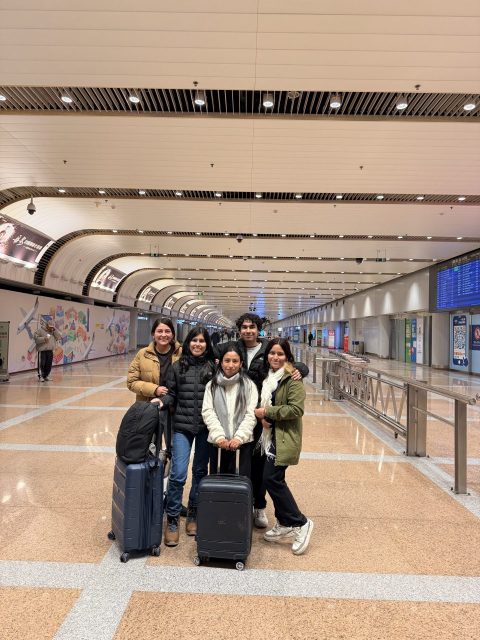
UP Students travel to China as one of the winning teams of the China–Latin America Challenge to Alleviate Poverty 2025
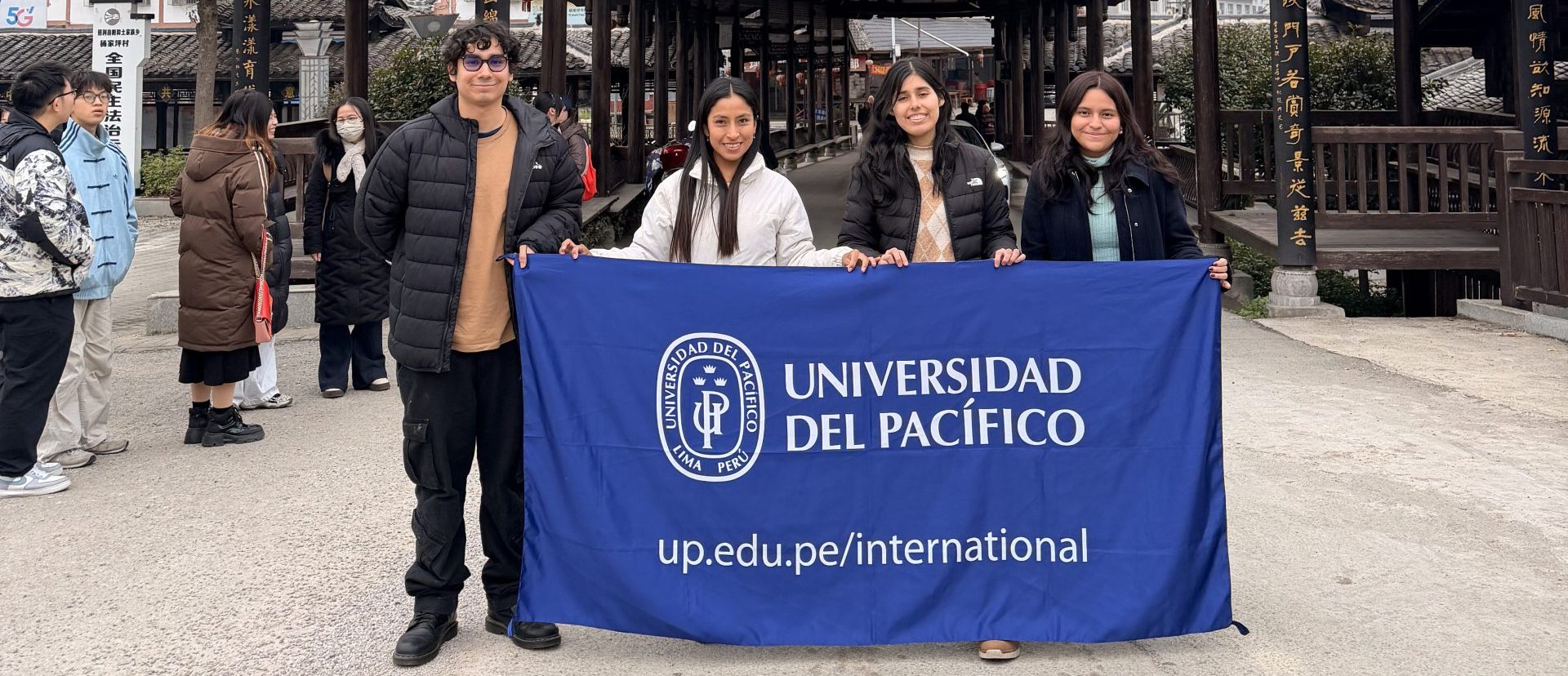
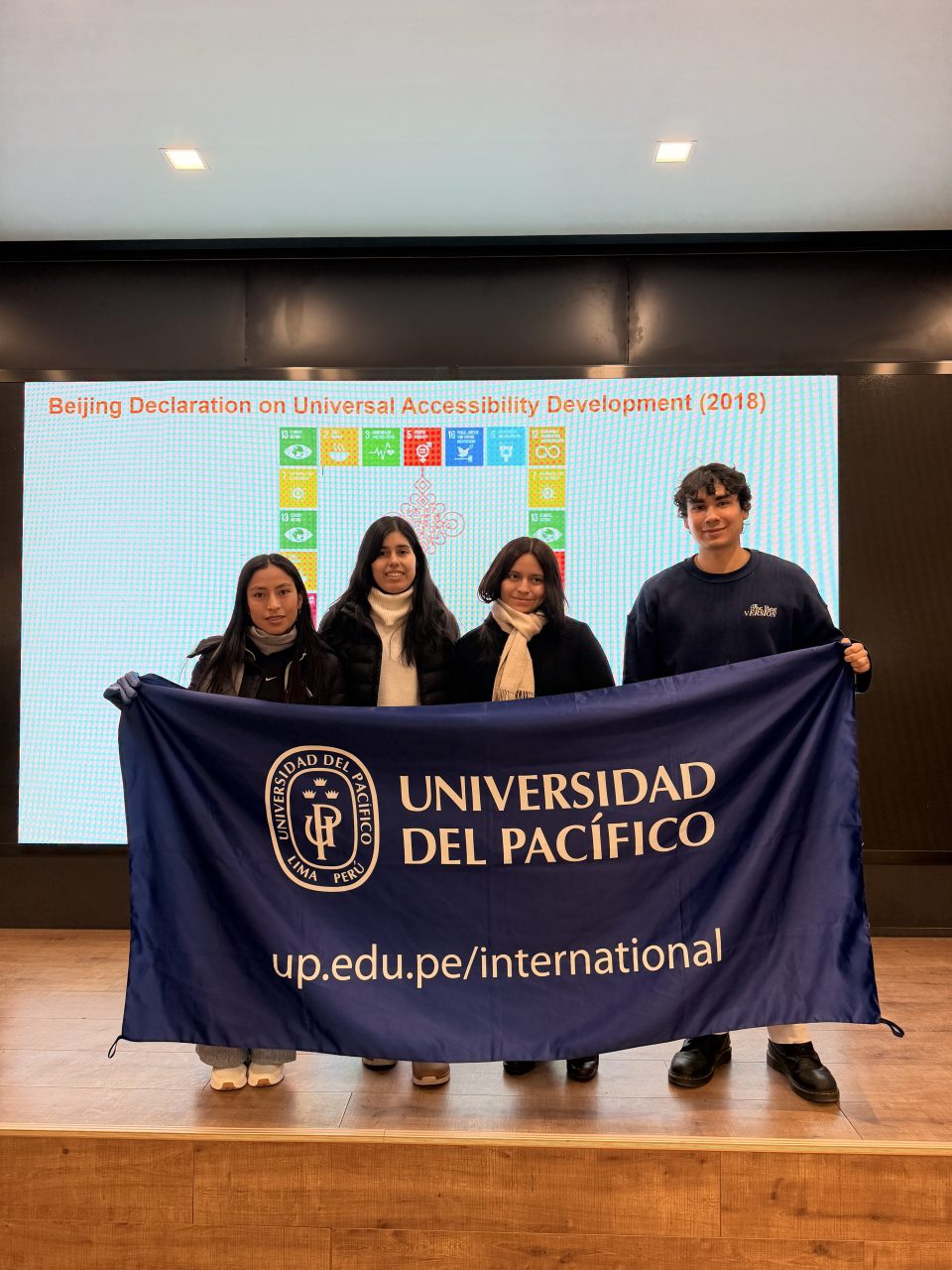
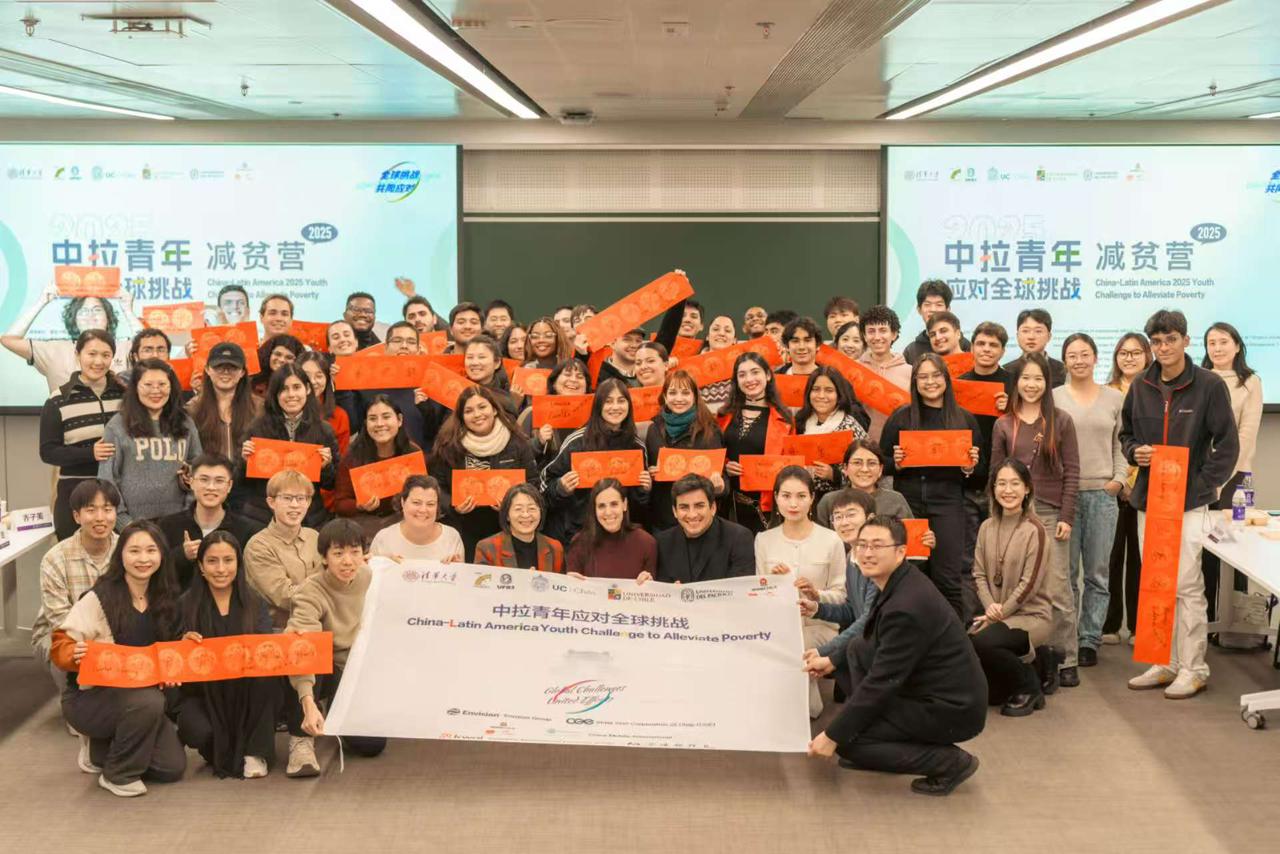
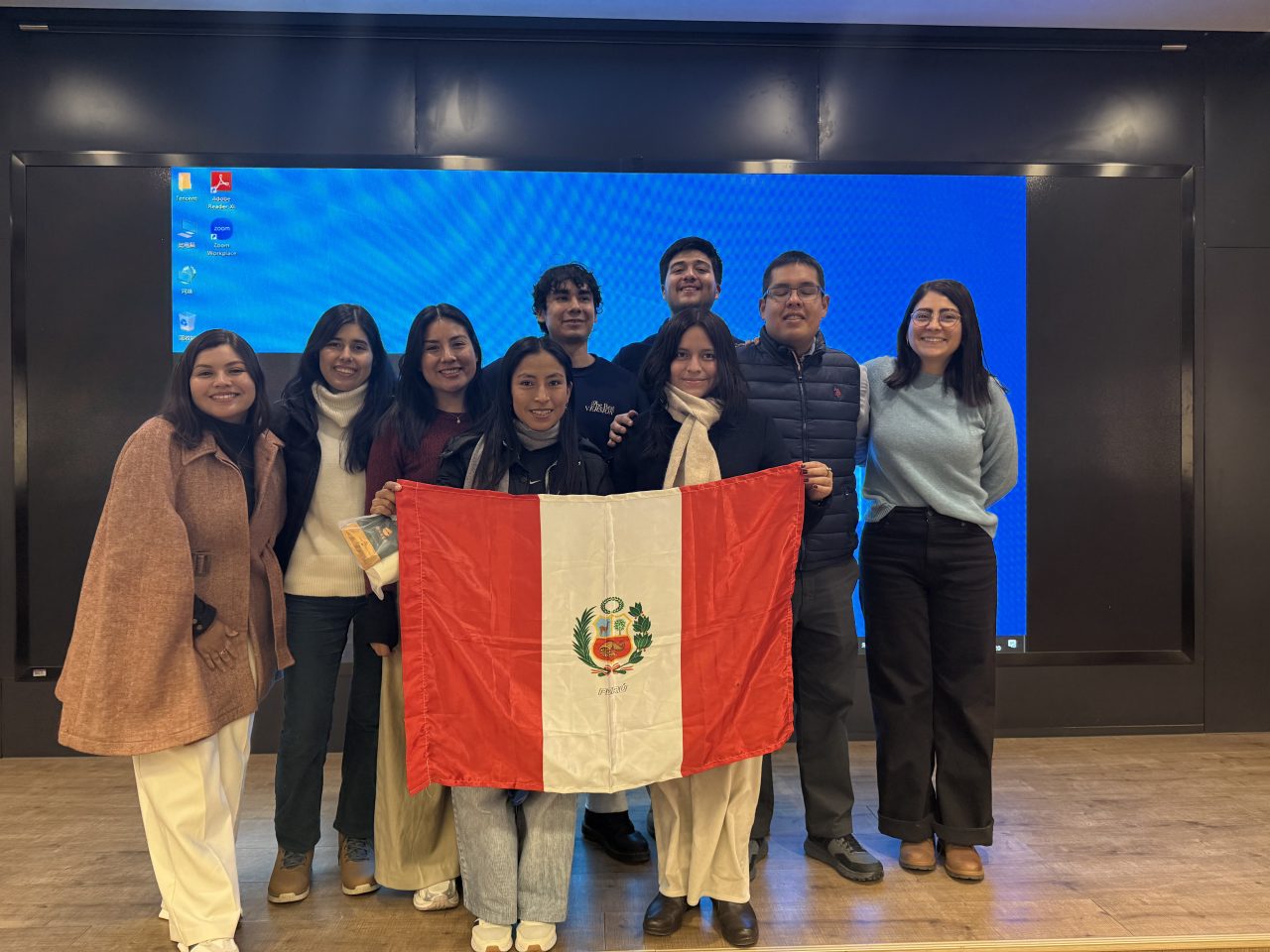
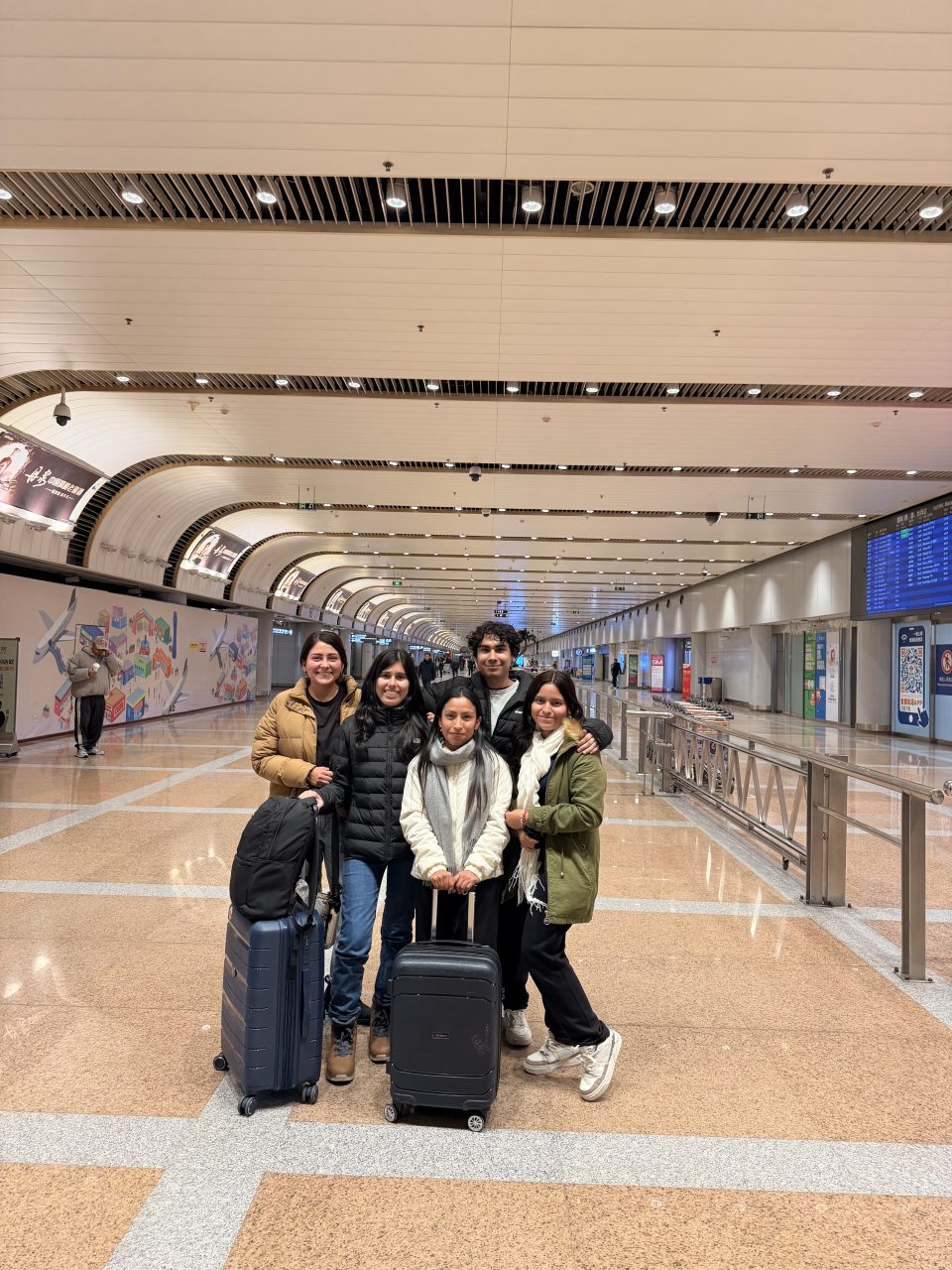
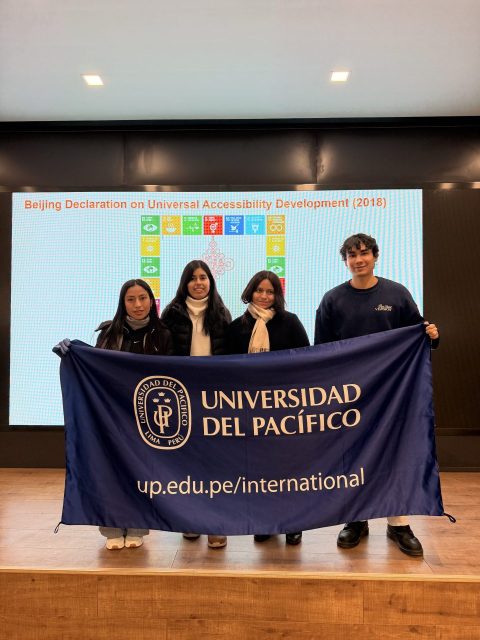
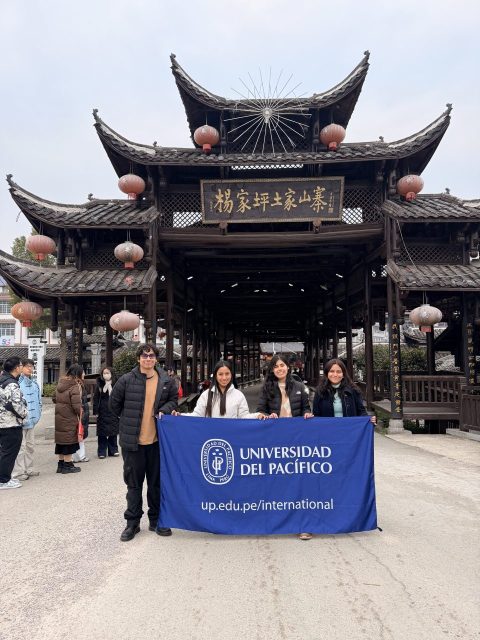
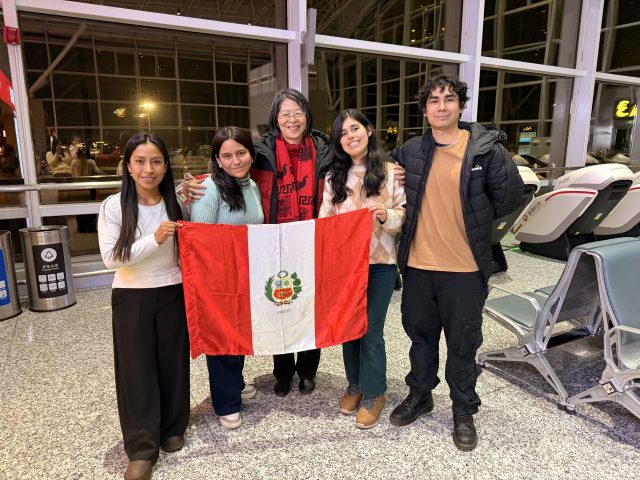
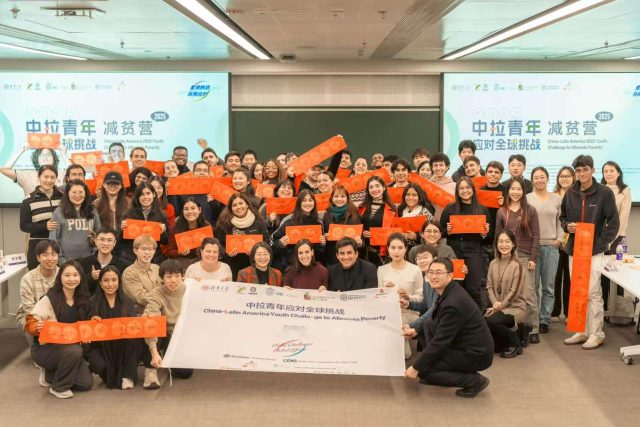
As part of the recognition received for securing second place in the China–Latin America Challenge to Alleviate Poverty, a team of students from the Universidad del Pacífico traveled to China to participate in an academic, business, and cultural immersion experience organized by Tsinghua University, widely regarded as one of Asia’s leading universities.
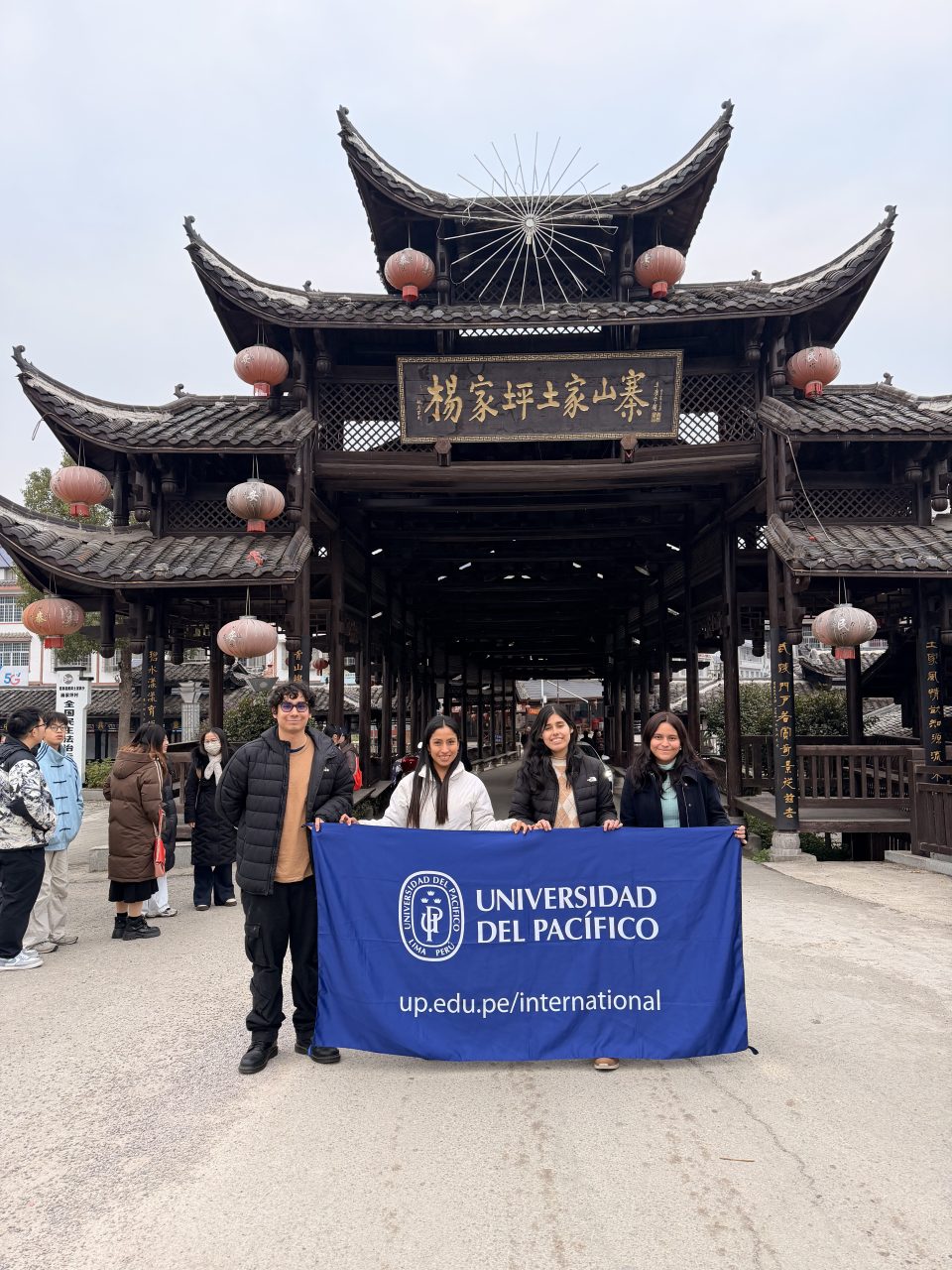
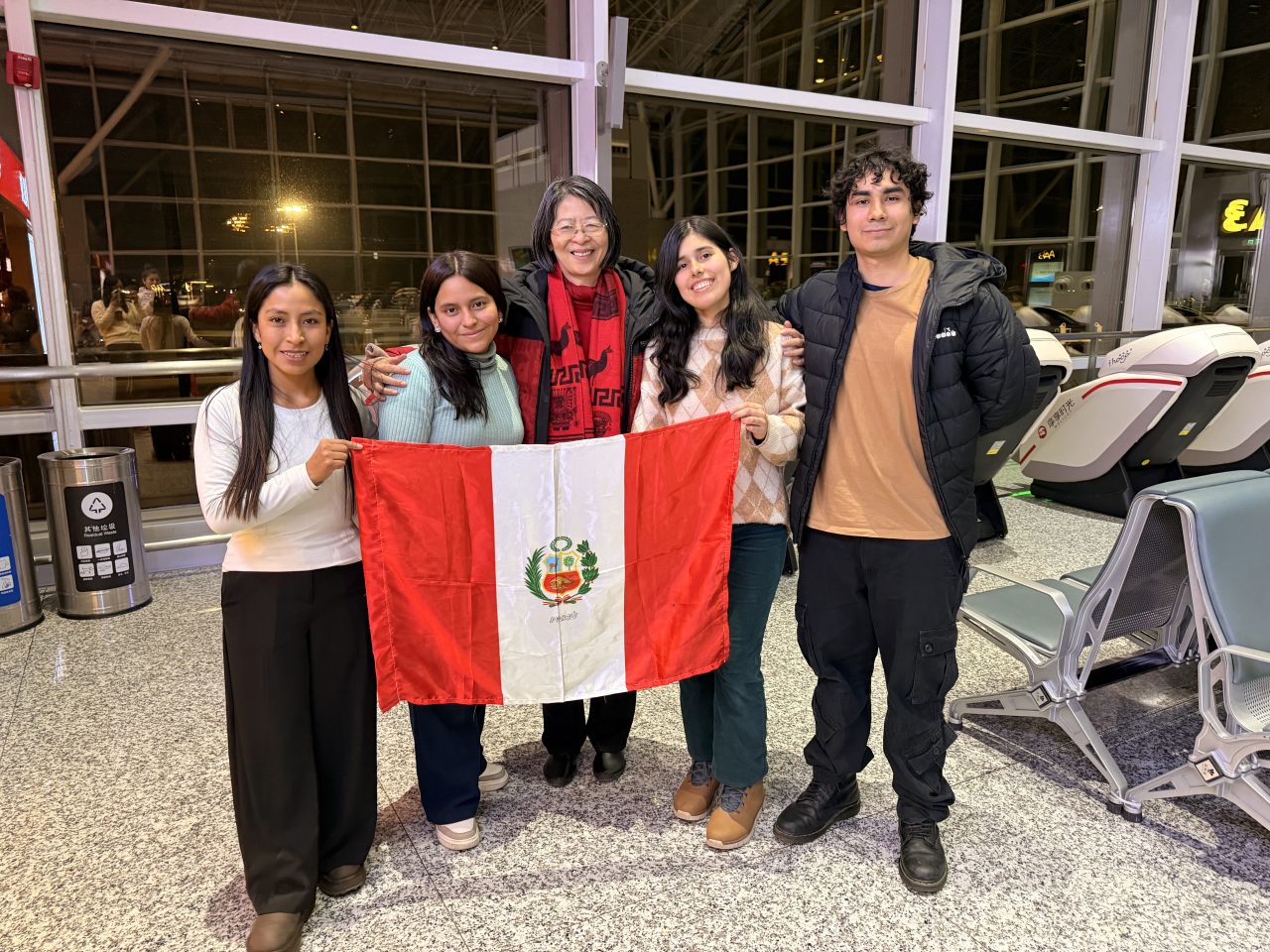
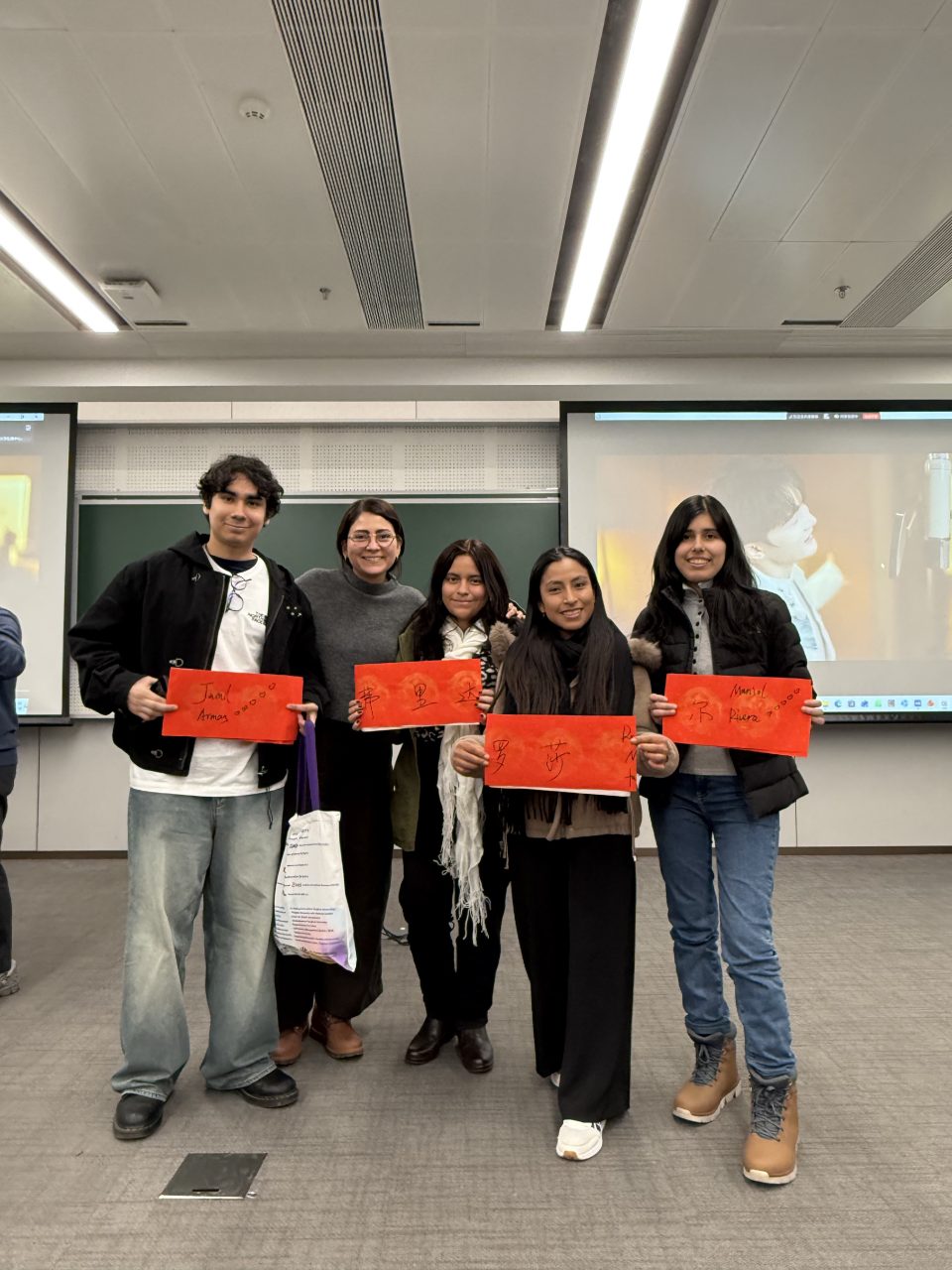
Over the course of two weeks, students Frida Irene Conislla Huaracc (Economics), Rosa Soledad Llaccta Torres (Business Engineering), Marisol Vizurraga Rivera (Information Engineering), and Jamil Andre Llaury Armas (Economics) took part in an intensive program that combined high-level academic training, corporate visits, and field trips in Beijing and Hunan Province. This stage marked the culmination of a process that began in August 2025 in Santiago, Chile, and provided an opportunity to explore, directly on the ground, key debates surrounding development and multidimensional poverty alleviation.
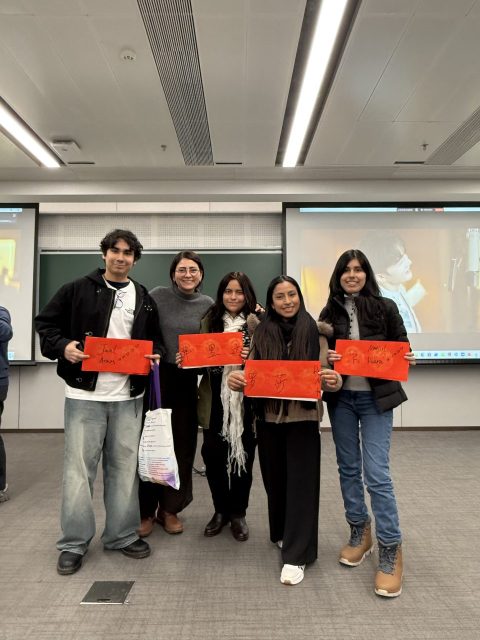
The academic component centered on immersion at the Tsinghua University campus. Students attended classes and seminars on contemporary Chinese development. The corporate component allowed participants to gain first-hand insight into the operations of major Chinese companies. In particular, visits to China ENFI Engineering Corporation and China Minmetals Corporation offered perspectives on corporate governance, sustainability, and large-scale production strategies.
Beyond Beijing, the program also included activities in Hunan Province. Visits to primary schools, factories, and rural communities enabled the students to better understand how development and poverty alleviation policies are implemented in local contexts. This experience not only enriched their academic training but also prompted them to reconsider their own perspectives on professional growth, public policy, and social commitment.
In addition, the students were interviewed by the Chinese news network China Global Television Network (CGTN), where they shared their reflections on the program and discussed how Asian culture is perceived from Latin America, contributing to a broader intercultural dialogue.
Throughout the entire process, the Universidad del Pacífico, through its Center for China and Asia-Pacific Studies (CECHAP), provided continuous support to the students. The academic guidance and mentorship offered—particularly by Professor Nifta Lau—were instrumental in making this experience possible. The initiative highlights the value of international learning as a key tool for broadening perspectives, strengthening academic cooperation, and fostering a new generation of young professionals committed to addressing global development challenges.